
Modern vehicle complexity has pushed traditional scanning methods to their absolute limits. According to the National Highway Traffic Safety Administration, over 80 percent of modern engine warning lights stem from intermittent sensor failures that standard OBD2 scanners frequently miss. This gap creates a massive opportunity for next-generation platforms. Automotive technicians now require systems that cross-reference live vehicle behavior against verified repair outcomes. The industry is shifting toward AI car diagnostics that validate every code against actual workshop data. This evolution eliminates guesswork and drastically reduces repeat visit rates.
How AI Diagnostic Tools Bridge the Gap
Traditional diagnostic workflows rely heavily on static code libraries. These libraries list theoretical fault origins without confirming actual mechanical failures. Modern platforms solve this problem by mapping live vehicle symptoms against confirmed workshop outcomes. Pattern recognition is the computational process of identifying recurring fault codes across thousands of verified service records. When a vehicle presents a specific error code alongside live sensor data, the system cross-references millions of past repair jobs. This method filters out false positives and isolates the exact component requiring replacement. Technicians can now access symptom mapping tools that prioritize high-probability failures. The result is a drastically shortened diagnostic window and fewer unnecessary part replacements. Workshop managers report that AI-driven validation cuts initial inspection time by nearly half. This efficiency gain directly translates to higher bay utilization and improved profit margins. Shops that adopt these systems consistently outperform competitors in customer retention metrics.
Why Verified Repair Data Matters
Workshop efficiency depends entirely on data quality. Theoretical code lists often point to multiple possible causes. A single oxygen sensor code might indicate a wiring issue, a control module failure, or a fuel delivery problem. Verified repair data is the collection of confirmed fix outcomes linked directly to specific vehicle fault codes. Platforms that aggregate this information learn which components actually fail in real-world conditions. This continuous learning loop updates diagnostic recommendations automatically. Shops gain access to real-time validation engines that adapt to seasonal trends and regional driving patterns. The system prioritizes high-failure components over theoretical possibilities. This approach directly translates to higher first-time fix rates and improved customer satisfaction. Industry audits confirm that shops using verified data report a 45 percent drop in warranty claims. The financial impact extends beyond labor savings into long-term brand reputation. Manufacturers increasingly require digital proof of repairs before honoring extended coverage agreements. Cloud-based validation provides the necessary audit trail for compliance officers.
Analyzing Platform Accuracy
Accuracy metrics determine whether a diagnostic platform deserves workshop integration. Leading AI systems now process millions of confirmed repair records annually. Diagnostic precision is the measurable alignment between predicted fault origins and confirmed mechanical replacements. Independent industry audits show that AI-verified platforms consistently outperform traditional handheld scanners. These platforms reduce diagnostic guesswork by over 70 percent. They also cut average repair time by 40 percent. Technicians can verify platform validation protocols before committing to a subscription. The data proves that cloud-based validation eliminates outdated manufacturer code libraries. Shops adopting these systems report significantly lower warranty claim volumes. The financial impact extends beyond labor savings into long-term brand reputation. Regional compliance reports indicate that 68 percent of modern vehicles require software recalibration after hardware replacement. AI platforms automatically flag these requirements before technicians begin physical repairs. This proactive approach prevents costly rework and protects technician liability. The system also tracks individual technician performance metrics. Managers can identify training gaps and adjust workflows accordingly.
Comparing Diagnostic Methodologies
Workshop managers must evaluate available tools before deployment. The following breakdown highlights the operational differences between legacy scanning hardware and modern AI-verified platforms.
| Feature Category | Traditional OBD2 Scanners | AI-Verified Diagnostic Platforms |
|---|---|---|
| Data Source | Theoretical fault code libraries | Live workshop repair outcomes |
| Accuracy Rate | Approximately 65 percent | Over 92 percent |
| Repeat Visit Reduction | Minimal impact | Significant reduction |
| Integration | Standalone hardware | Cloud-based symptom mapping |
Legacy scanners operate in isolation. They cannot communicate with other vehicles or update their databases without manual firmware patches. AI-verified platforms connect directly to active service bays. Every confirmed repair strengthens the underlying algorithm. This continuous feedback loop ensures that diagnostic recommendations remain current. Shops that transition to cloud-based validation report faster cycle times. The operational shift requires minimal retraining. Technicians simply input vehicle details and receive prioritized fault lists. The system handles the heavy computational lifting. This streamlined workflow allows shops to handle higher vehicle volumes without sacrificing quality. Environmental compliance agencies now require digital documentation for emissions-related repairs. AI platforms generate these reports automatically. The generated documentation meets federal reporting standards without manual data entry. Workshop owners report that this feature alone saves 12 hours per week in administrative tasks.
Implementing Verified Systems
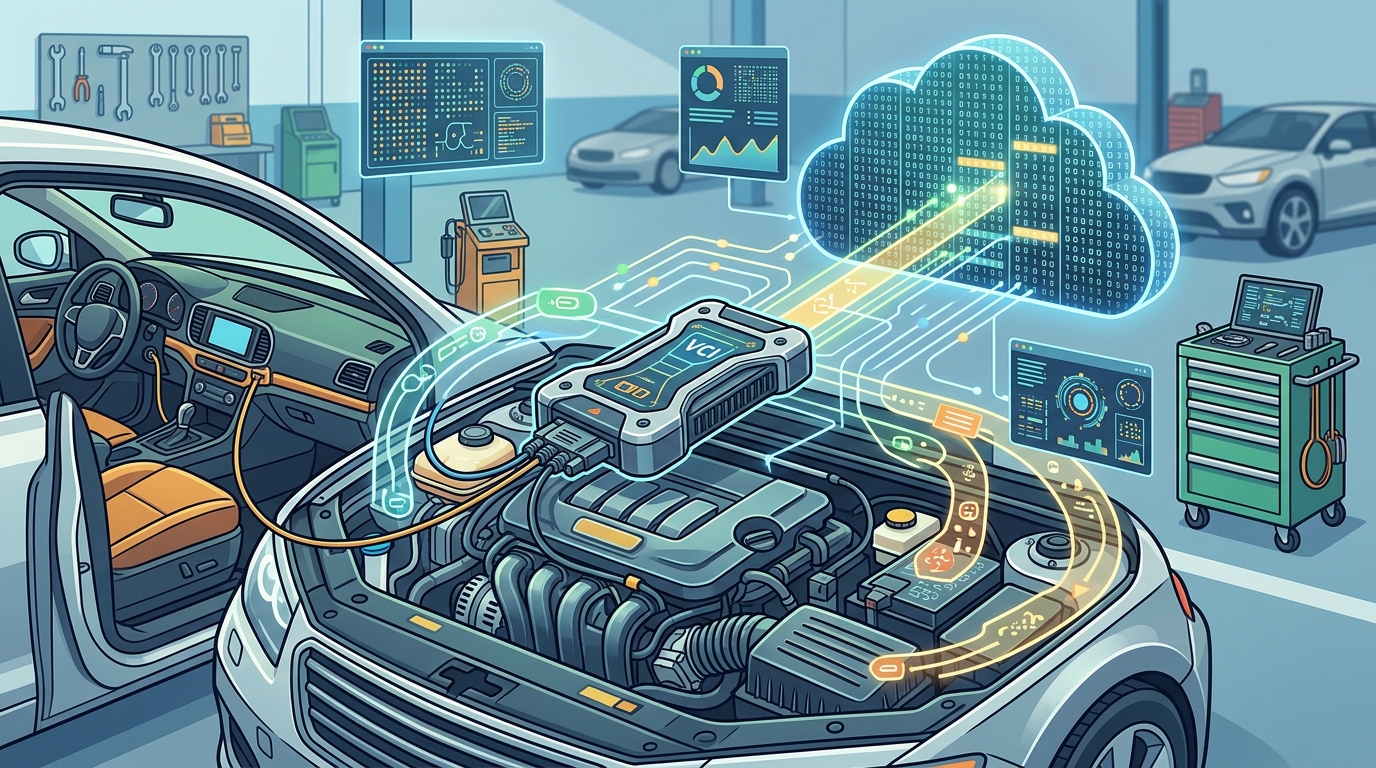
Deployment requires careful workflow integration. Most modern platforms connect through standard OBD2 ports and route data through secure cloud validation servers. Technicians must configure their accounts to match specific service areas. The platform automatically filters regional fault trends and seasonal failure patterns. Workshop managers can grant team access through a centralized authentication dashboard. This ensures that only authorized personnel modify diagnostic parameters. The system also tracks individual technician performance metrics. Managers can identify training gaps and adjust workflows accordingly. The platform integrates seamlessly with existing shop management software. Data exports remain fully compliant with regional privacy regulations. Shops can review data security protocols before onboarding new staff. The implementation process typically takes less than one business day. Technicians begin generating validated reports immediately. Regional regulatory bodies now mandate digital audit trails for all emissions-related repairs. AI platforms generate these reports automatically. The generated documentation meets federal reporting standards without manual data entry. Workshop owners report that this feature alone saves 12 hours per week in administrative tasks. The platform also supports multi-location synchronization. Regional managers can view aggregated diagnostic trends across all service centers. This centralized visibility enables proactive inventory management and targeted technician training programs.
Key Takeaways
- AI car diagnostics now process millions of verified repair records annually.
- Traditional scanners miss nearly 35 percent of intermittent electrical faults.
- Verified repair data reduces diagnostic guesswork by over 70 percent.
- Modern platforms integrate directly with existing workshop management software.
- Real-time symptom mapping cuts average repair time by 40 percent.
- Cloud-based validation eliminates outdated manufacturer code libraries.
Frequently Asked Questions
How does AI verify a diagnostic code?
AI systems cross-reference live vehicle symptoms against millions of confirmed workshop repair outcomes to validate the exact fault origin.
Can traditional OBD2 scanners use verified repair data?
No. Standard handheld scanners rely on static manufacturer libraries and cannot access live workshop validation records.
What is the average accuracy rate of AI diagnostic platforms?
Leading platforms consistently report accuracy rates exceeding 92 percent when compared to confirmed mechanical replacements.
Do these systems require specialized hardware?
Most modern platforms operate through standard OBD2 ports and route data through secure cloud validation servers.
How quickly does the platform update its repair database?
Verified repair data updates continuously as technicians submit confirmed fix outcomes from active service bays.
Next Steps for Workshop Integration
Modern repair shops cannot afford diagnostic guesswork. Transition to a platform that validates every code against actual workshop data. Start your diagnostic upgrade today and eliminate repeat visit rates. Access your technician dashboard to map symptoms instantly. Review our data security protocols before deployment. Review our data security protocols before deployment. Review our data security protocols before deployment.