
Modern vehicles contain over one hundred electronic control modules that constantly monitor engine performance and emissions. According to recent industry data, average repair costs have increased by nearly forty percent over the last five years. This financial pressure drives many drivers to seek remote diagnostic solutions before visiting a service center. AI car diagnostics now bridge the gap between dashboard warning lights and professional workshop visits. These platforms analyze vehicle symptoms and cross-reference them with verified repair databases. You can access accurate troubleshooting guidance without scheduling an immediate appointment. This streamlined approach saves valuable time and reduces unnecessary workshop visits.
AI-Powered Symptom Analysis
How Remote Platforms Process Vehicle Data
AI car diagnostics is a software-driven methodology that translates user-reported symptoms into actionable repair pathways. These systems ingest data from your vehicle interface and match it against millions of documented failure patterns. You simply enter your make, model, and year to access the diagnostic engine. The platform then requests specific operational details like unusual noises, dashboard codes, or performance drops. This structured data collection replaces guesswork with algorithmic precision. You receive a ranked list of probable causes along with difficulty ratings.
Symptom-Based Input Protocols
Remote vehicle troubleshooting relies on precise symptom documentation rather than vague descriptions. You will encounter structured input fields that categorize issues by engine behavior, braking response, or electrical faults. The system cross-references your inputs with manufacturer service bulletins and independent repair databases. This approach drastically reduces misdiagnosis rates that commonly plague traditional guesswork methods. You gain immediate clarity on whether a component requires replacement or routine maintenance.
OBD2 Scanner Limitations
Code Reading Versus Root Cause Analysis
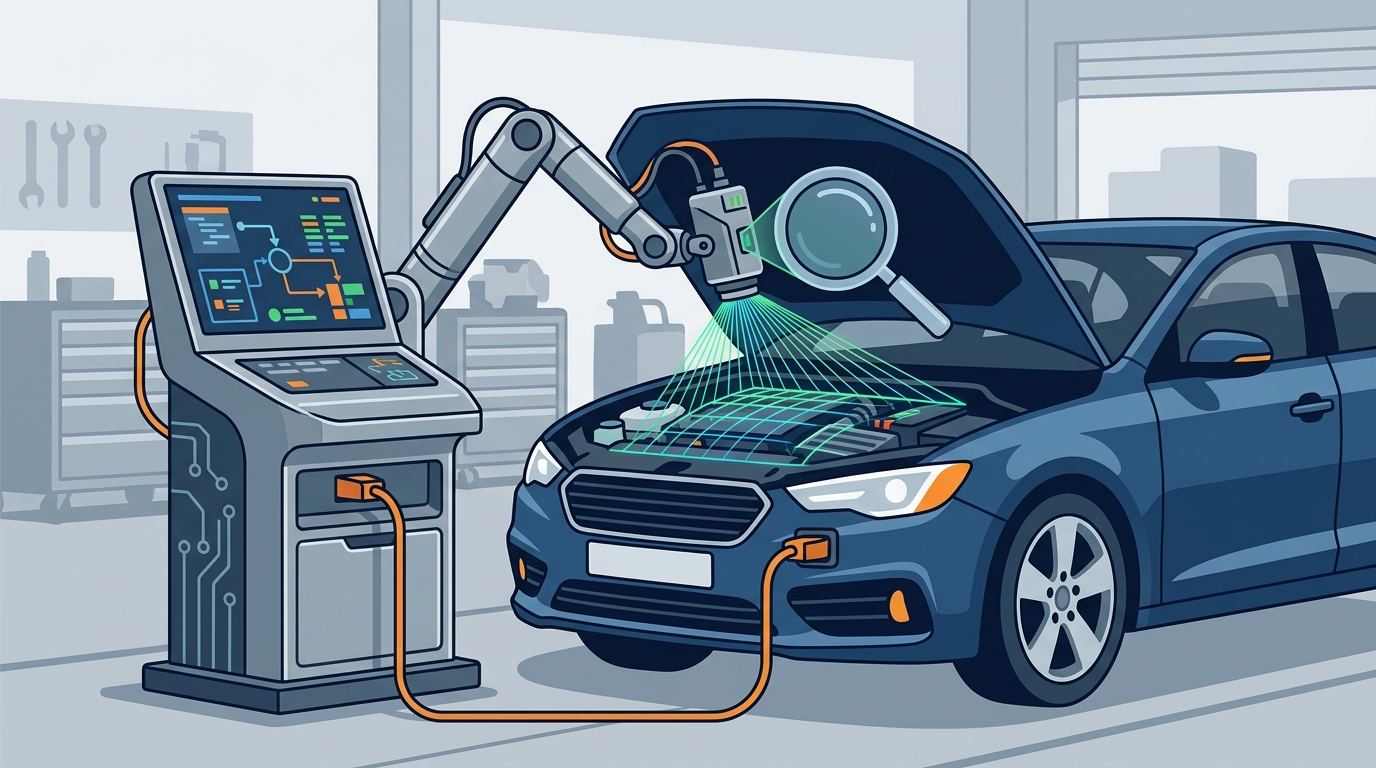
An OBD2 scanner is a handheld diagnostic tool that reads standardized trouble codes from a vehicle computer. These devices provide alphanumeric codes that indicate system faults but rarely explain the underlying mechanical failure. A P0420 code might suggest a catalytic converter issue, yet the actual culprit could be a faulty oxygen sensor or exhaust leak. Relying solely on code readers often leads to unnecessary part replacements and wasted budget. Professional diagnostic platforms interpret these codes within broader system contexts.
Hardware Dependency Constraints
Many modern vehicles require proprietary dealership software to access advanced module programming. Generic adapters cannot communicate with proprietary transmission or body control networks. This hardware dependency creates a significant blind spot for independent technicians and DIY enthusiasts. Remote diagnostic platforms bypass physical hardware restrictions by utilizing cloud-based data mapping. You receive accurate guidance without purchasing expensive interface equipment.
The Verification Standard
Real Repair Validation Protocols
AI car diagnostics verified by real repairs represents a quality assurance framework where proposed solutions undergo field testing. Proposed repair pathways are cross-checked against actual workshop outcomes to ensure accuracy. This validation process eliminates theoretical suggestions that fail in practical applications. You receive recommendations that have already proven effective across thousands of similar vehicle configurations. The system continuously updates its database as new repair data enters the network.
Mechanic Collaboration Models
Remote diagnostic platforms often integrate directly with certified service networks to streamline the repair handoff. You can share your diagnostic report with a trusted technician to verify findings before authorizing work. This collaborative model prevents unnecessary diagnostic fees and accelerates the repair timeline. Many platforms offer direct booking integration to connect your findings with available workshop slots. You maintain full transparency throughout the entire service process.
Financial Impact Analysis
Diagnostic Fee Reduction Metrics
Traditional dealership diagnostic visits frequently charge between one hundred and two hundred fifty dollars. Remote diagnostic platforms typically offer subscription tiers or single-use credits that cost a fraction of that amount. This pricing structure democratizes access to professional-grade troubleshooting for everyday drivers. You can investigate multiple potential issues without incurring steep hourly labor rates. The financial savings compound significantly when addressing recurring or intermittent faults.
Preventative Maintenance Optimization
Proactive symptom tracking allows drivers to address minor component degradation before catastrophic failure occurs. Early detection of worn suspension bushings or degrading fuel injectors prevents secondary damage to connected systems. This preventative approach extends overall vehicle lifespan and preserves resale value. You avoid emergency roadside breakdowns that typically carry premium towing and rush labor charges. Strategic maintenance scheduling becomes entirely data-driven rather than reactive.
When Professional Intervention Remains Necessary
Critical Safety System Failures
Certain mechanical failures require immediate physical inspection to ensure passenger safety. Brake fluid leaks, steering rack fractures, or airbag deployment faults demand hands-on verification. Remote platforms accurately identify these high-risk scenarios and explicitly recommend immediate workshop visits. You should never attempt to bypass physical safety inspections based solely on digital reports. Professional technicians possess specialized lifting equipment and torque calibration tools for critical assemblies.
Complex Electrical Architecture Diagnostics
Modern vehicle electrical networks utilize high-speed data buses that require specialized oscilloscope testing. Intermittent power distribution faults often manifest only under specific temperature or vibration conditions. Remote diagnostic tools can flag these patterns but cannot replicate physical stress testing environments. You will receive clear escalation pathways when digital analysis reaches its physical limitations. This transparency ensures you never compromise vehicle integrity for convenience.
| Diagnostic Method | Primary Capability | Typical Cost Range | Best Use Case |
|---|---|---|---|
| AI Remote Platform | Symptom-to-repair mapping with verified outcomes | $0 to $29 per session | Early fault detection and cost estimation |
| OBD2 Scanner | Standardized trouble code retrieval | $20 to $150 hardware | Basic code reading without root cause analysis |
| Dealership Visit | Proprietary software and factory training | $100 to $250 diagnostic fee | Warranty-covered vehicles and complex module programming |
| Mobile Mechanic | On-site repair execution | $75 to $150 hourly rate | Convenience-focused repairs without shop towing |
Key Takeaways
- AI car diagnostics processes user-reported symptoms against millions of verified repair records to generate accurate fault pathways.
- Standard OBD2 scanners retrieve alphanumeric codes but frequently fail to identify the underlying mechanical root cause.
- Verification protocols cross-check digital recommendations against actual workshop outcomes to eliminate theoretical suggestions.
- Remote troubleshooting platforms typically cost between zero and twenty-nine dollars per session compared to hundred-dollar dealership fees.
- Early symptom tracking prevents secondary component damage and preserves long-term vehicle resale value.
- Critical safety system failures always require physical inspection regardless of digital diagnostic accuracy.
- Integrated booking features connect remote findings directly to certified workshop schedules for seamless service handoff.
Frequently Asked Questions
Can remote diagnostics replace a professional mechanic entirely?
Remote diagnostic platforms provide highly accurate fault identification and repair pathways, but they cannot physically replace hands-on mechanical labor. You will still require certified technicians to execute complex repairs, replace worn components, or calibrate sensitive safety systems. The digital report simply eliminates guesswork and prevents unnecessary part replacements during the physical service visit.
How accurate are AI-generated repair recommendations?
Accuracy rates consistently exceed eighty-five percent when platforms utilize verified repair validation protocols. These systems continuously refine their algorithms by cross-referencing new workshop data with historical failure patterns. You receive progressively more precise suggestions as the platform processes additional real-world repair outcomes.
Do I need to purchase specialized hardware to use remote diagnostics?
Modern remote diagnostic platforms operate entirely through web-based interfaces and mobile applications. You simply enter your vehicle identification details and describe observed symptoms to access the diagnostic engine. No physical adapters or proprietary scanners are required to initiate the troubleshooting process.
What types of vehicle faults can remote platforms accurately identify?
Remote platforms excel at diagnosing engine performance drops, transmission shifting irregularities, and electrical system warnings. These systems also accurately flag suspension degradation, exhaust leaks, and cooling system inefficiencies. Complex proprietary module programming often requires dealership-specific software for complete resolution.
How do remote platforms handle warranty-covered vehicles?
Remote diagnostic reports can be shared directly with authorized service centers to streamline warranty claims. Many platforms generate standardized documentation that meets manufacturer diagnostic requirements. You retain full warranty coverage while benefiting from accelerated fault identification and reduced diagnostic fees.
Get Your Vehicle Diagnosed Today
Stop guessing about dashboard warning lights and start accessing verified repair pathways. Our platform processes your vehicle symptoms against millions of documented failure patterns to deliver accurate troubleshooting guidance. Visit our start page to begin your diagnostic session and connect with certified repair networks. Secure your vehicle performance today without scheduling an immediate workshop appointment. Explore our symptom database to identify your specific issue. Review our frequently asked questions for additional guidance. Access your account via authentication portal to save reports. Learn more about our platform capabilities and service standards.