
Modern vehicle maintenance costs have surged dramatically, with average repair bills exceeding one thousand dollars according to recent industry reports. Vehicle owners now face a critical decision when warning lights illuminate on their dashboard. You can bypass traditional shop visits by leveraging digital tools and standardized diagnostic protocols. This guide outlines the exact steps to identify mechanical issues independently. You will learn how to interpret sensor data, utilize mobile applications, and determine when professional intervention remains necessary. Understanding these alternatives saves time and prevents unnecessary service charges. (AutoUncover AI car diagnostics)
Understanding OBD-II Essentials
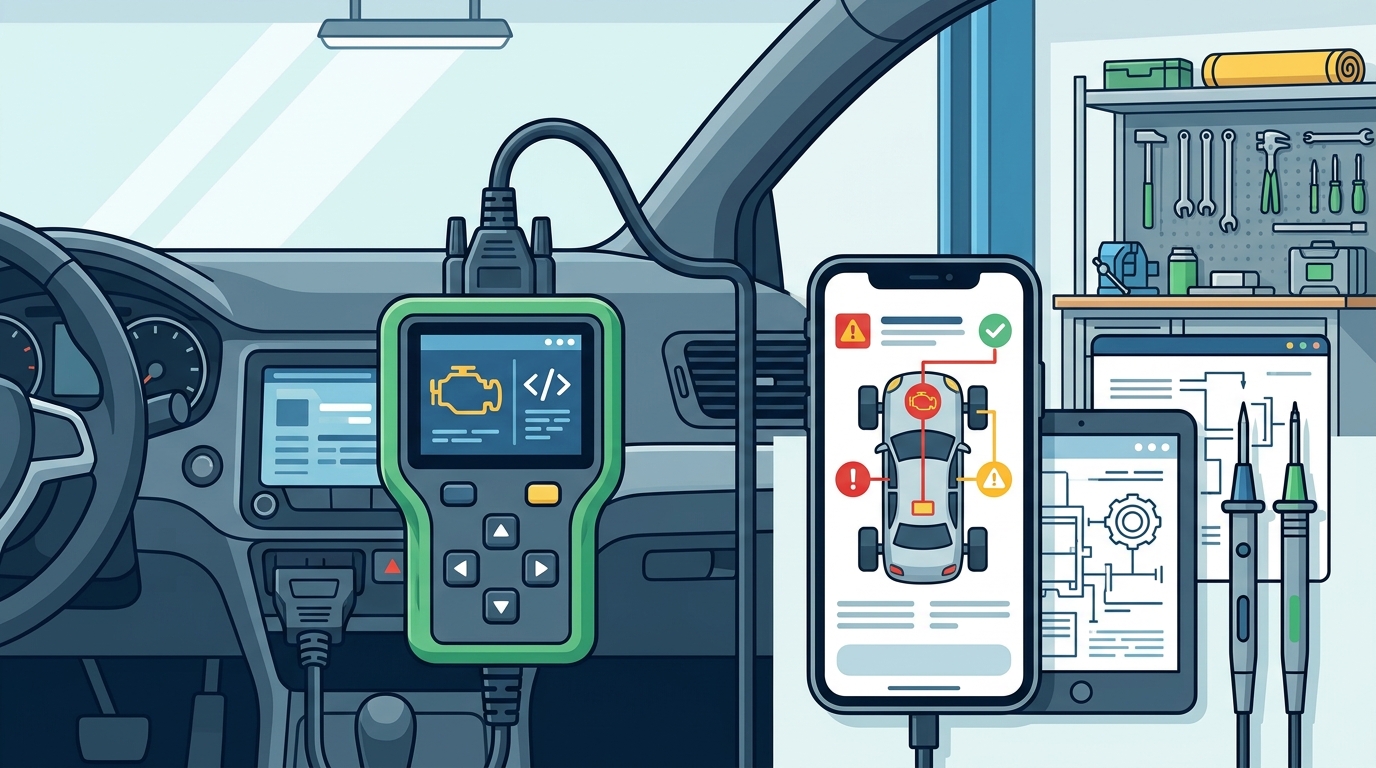
The onboard diagnostic system serves as the primary communication bridge between your vehicle and external tools. OBD-II is a standardized vehicle diagnostic interface that monitors engine performance and emissions compliance. Every modern car manufactured after 1996 includes this hardware port located under the dashboard. You can purchase a basic scanner for under fifty dollars at most retail stores. These devices read trouble codes generated by the engine control module. The codes follow a universal format that begins with a letter followed by four digits. P codes indicate powertrain issues. B codes address body electronics. C codes relate to chassis systems. U codes cover network communication faults.
Reading these codes provides your first concrete data point. Many free mobile applications now connect directly to your smartphone via Bluetooth adapters. You simply plug the adapter into the port and launch the companion software. The application translates cryptic codes into plain English descriptions. You will see immediate feedback regarding fuel mixture ratios, ignition timing, and exhaust gas recirculation valves. This immediate feedback loop eliminates guesswork during early troubleshooting phases.
Interpreting Code Severity
Not all diagnostic codes require immediate physical intervention. Some codes trigger due to temporary sensor fluctuations or loose fuel caps. You should clear the codes after addressing obvious issues and monitor the dashboard for recurring warnings. If the check engine light remains steady, you can safely drive to a nearby parts store for a free code reading. A flashing light indicates a severe misfire that could damage your catalytic converter. You must reduce speed and seek immediate assistance in that specific scenario.
Leveraging AI Diagnostics
Artificial intelligence has transformed how consumers approach vehicle troubleshooting. AI diagnostics is a computational process that analyzes sensor data to predict mechanical failures before they occur. Traditional scanners only report historical fault codes. Advanced platforms cross-reference your specific make, model, and mileage against millions of verified repair records. The system identifies recurring failure patterns unique to your vehicle generation. You receive prioritized repair recommendations based on actual mechanic verification rather than generic database entries.
This technology drastically reduces diagnostic uncertainty. You no longer need to visit multiple shops to receive conflicting opinions. The platform aggregates data from thousands of completed repairs to calculate the most probable root cause. You can track your vehicle health over time by logging routine maintenance intervals. The system alerts you when specific components approach their expected failure thresholds. This proactive approach prevents minor issues from escalating into catastrophic failures.
Integration with Real-World Repairs
The true value of automated systems lies in their verification layer. Predictions are only useful when mechanics confirm the underlying hardware faults. You gain access to a network of certified technicians who validate the digital findings. This verification step ensures that your repair budget targets the actual broken component. You avoid paying for unnecessary part replacements or labor hours. The platform maintains strict quality controls to guarantee accurate fault identification.
Symptom Tracking Protocols
Physical symptoms often precede digital error codes. You must document unusual noises, vibrations, or performance drops immediately. Preventive maintenance is a scheduled service strategy designed to extend component lifespan and reduce unexpected breakdowns. A grinding noise during braking indicates worn friction pads. A rhythmic thumping while accelerating suggests unbalanced wheels or damaged suspension bushings. A burning smell near the exhaust system points to oil leaks contacting hot metal surfaces.
Logging these observations creates a comprehensive maintenance history. You can share this documented timeline with automated diagnostic platforms to refine their predictions. The system matches your described symptoms against known failure modes for your specific vehicle architecture. You receive highly targeted troubleshooting steps tailored to your exact driving conditions. This method eliminates generic advice and focuses your efforts on the most likely culprits.
Environmental Impact Factors
Weather conditions heavily influence vehicle performance and diagnostic accuracy. Extreme cold thickens engine oil and reduces battery efficiency. High temperatures stress cooling systems and accelerate rubber component degradation. You should adjust your inspection frequency based on seasonal changes. Regularly check fluid levels and belt tension during temperature transitions. These simple visual inspections prevent sudden mechanical failures during long-distance travel.
Cost Comparison Framework
Financial transparency remains a primary concern for vehicle owners. Traditional dealership diagnostics often charge premium hourly rates. Independent shops may offer lower labor costs but lack specialized software licenses. Mobile diagnostic services provide convenience but charge travel fees. You must evaluate these options against your specific budget constraints.
| Diagnostic Method | Average Cost | Accuracy Level | Best Use Case |
|---|---|---|---|
| Basic OBD-II Scanner | $20 to $50 | Code Reading Only | Initial troubleshooting and code clearing |
| Mobile App Integration | $0 to $15 Monthly | High | Real-time monitoring and history tracking |
| AI Verification Platform | $30 to $60 | Very High | Predictive maintenance and repair validation |
| Dealership Visit | $100 to $200 | Maximum | Warranty claims and complex electrical faults |
You should select the method that aligns with your technical comfort level and vehicle age. Older vehicles often benefit from basic scanners and visual inspections. Newer models with complex infotainment and driver assistance systems require specialized software licenses. The AI verification platform bridges this gap by combining affordability with professional-grade accuracy.
When to Visit a Professional
Self-diagnosis has clear limitations. You cannot physically inspect internal engine components or test high-voltage hybrid systems safely. Complex electrical greases require specialized oscilloscopes and wiring diagrams. You must consult a certified technician when your vehicle exhibits severe performance degradation. Sudden power loss, excessive smoke, or fluid leaks demand immediate professional attention.
Professional shops possess the infrastructure to perform stress tests and road evaluations. They can replicate specific driving conditions to isolate intermittent faults. You gain access to manufacturer-specific technical service bulletins that address known production defects. This institutional knowledge prevents recurring repairs and ensures long-term vehicle reliability.
Warranty Preservation Strategies
Performing unauthorized repairs may void your manufacturer warranty. You should document every diagnostic step and maintain all purchase receipts. Many extended warranty providers require proof of proper maintenance before approving claims. You can use automated platforms to generate official service reports that satisfy warranty auditors. This documentation protects your financial investment and maintains your resale value.
Key Takeaways
- Basic OBD-II scanners cost under fifty dollars and provide immediate fault code access.
- AI diagnostic platforms cross-reference millions of verified repairs to predict accurate root causes.
- Physical symptom logging significantly improves diagnostic accuracy for older vehicle models.
- Mobile applications offer continuous monitoring without requiring physical hardware adapters.
- Professional shops remain essential for complex electrical faults and warranty preservation.
- Environmental factors heavily influence sensor readings and component lifespan expectations.
- Documentation of all diagnostic steps protects your financial investment and resale value.
Frequently Asked Questions
Can I clear my check engine light without fixing the problem?
You can clear the light using a scanner, but the underlying mechanical issue remains active. The system will regenerate the fault code once it detects the same error pattern again. Clearing codes without addressing the root cause wastes time and potentially causes further damage.
Do mobile diagnostic apps work with all vehicle makes and models?
Most applications support vehicles manufactured after 1996. Some older European models require specific adapter hardware to communicate with proprietary systems. You should verify compatibility with your specific vehicle year and manufacturer before purchasing software.
How often should I run diagnostic scans on my vehicle?
You should run a diagnostic scan every six months or whenever you notice performance changes. Regular monitoring establishes a baseline for your vehicle health. You can track component degradation over time and schedule proactive maintenance accordingly.
Are free diagnostic codes at parts stores reliable?
Free code readings provide accurate fault identifiers but lack contextual repair guidance. Parts store technicians typically only read the code without verifying the actual broken component. You should use this data as a starting point rather than a final repair recommendation.
Can AI diagnostics replace a professional mechanic entirely?
Automated systems identify probable faults but cannot perform physical repairs. You still require a certified technician to replace damaged components and calibrate sensors. The platform optimizes your shop visit by providing precise repair instructions and part numbers.
What happens if my vehicle fails an emissions test?
Failed emissions tests usually stem from faulty oxygen sensors, evaporative system leaks, or catalytic converter degradation. You can use diagnostic tools to identify the specific failing component before visiting a testing facility. Addressing the root cause ensures your vehicle passes subsequent inspections without unnecessary expenses.
Next Steps
You now possess the complete framework for independent vehicle troubleshooting. You can start your diagnostic journey immediately by accessing our comprehensive platform. Start your free diagnostic scan today and receive AI-verified repair recommendations. Our system connects you with certified technicians who validate every digital finding. You save money, avoid unnecessary repairs, and maintain your vehicle with confidence. Visit our symptoms database to cross-reference your specific warnings. Review our frequently asked questions for additional troubleshooting guidance. Create your secure account at our authentication portal to begin tracking your vehicle health. Take control of your maintenance schedule and drive with absolute certainty.