
According to recent industry reports, nearly forty percent of vehicle owners attempt to troubleshoot engine warnings without professional guidance. This trend has created massive demand for accessible digital tools. Many consumers assume that basic smartphone applications can replace expensive workshop equipment. The reality involves understanding hardware limitations and software accuracy. You must evaluate whether a free interface delivers actionable data or merely generates confusion. Modern drivers require reliable solutions that bridge the gap between consumer convenience and mechanical precision.
The Reality of Free Diagnostic Tools
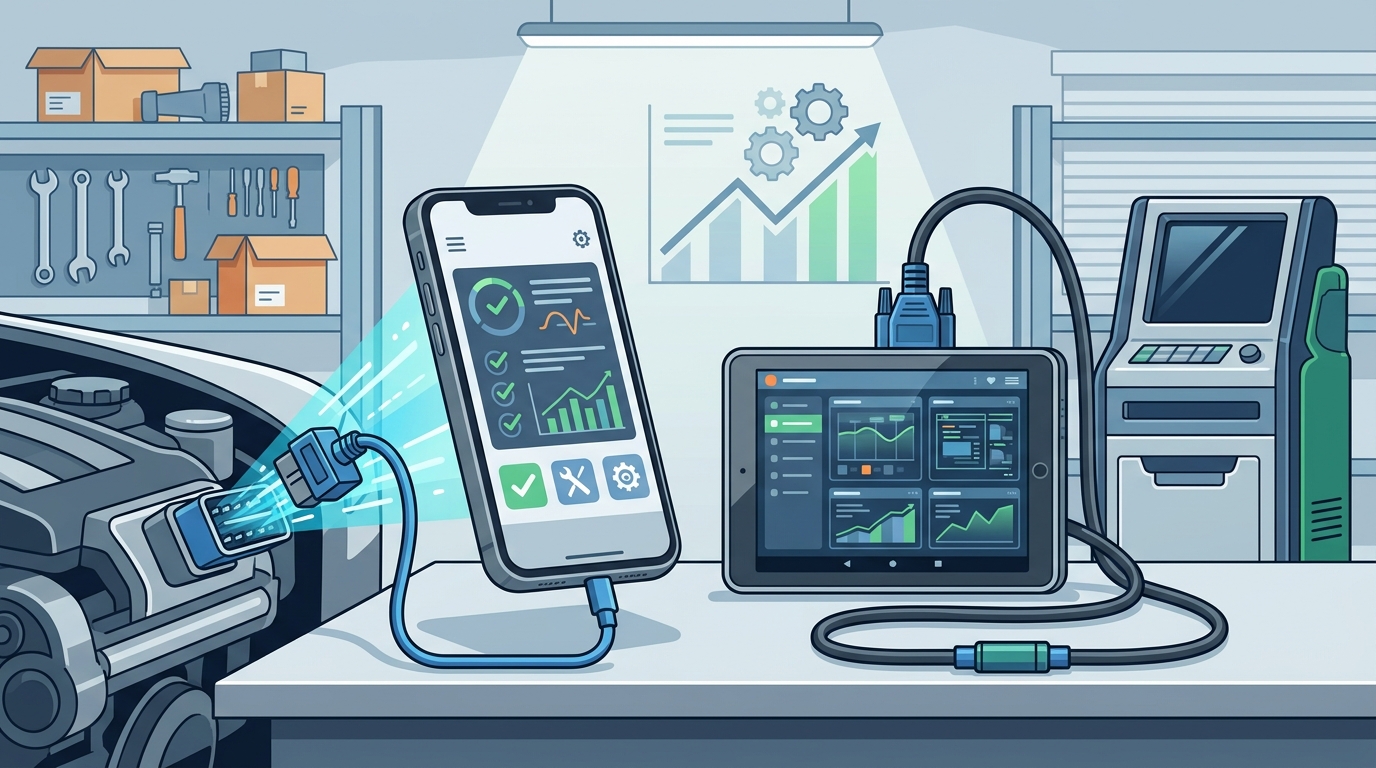
Most budget applications rely on basic Bluetooth adapters to communicate with your vehicle. These adapters plug directly into the diagnostic port located under the steering column. The software then translates raw data into readable fault codes. You will quickly discover that free versions often limit live data streaming. Advanced parameters like fuel trims and oxygen sensor voltage remain locked behind premium subscriptions. This restriction severely impacts your ability to diagnose intermittent electrical faults. EPA guidelines emphasize that accurate emissions troubleshooting requires continuous data monitoring. Free interfaces rarely satisfy these continuous monitoring requirements. You should always verify adapter compatibility before purchasing hardware.
How OBD2 Scanners Actually Function
OBD2 is a standardized vehicle communication protocol that enables external devices to read engine control unit data. This protocol mandates specific data identifiers that every manufacturer must support. Your smartphone acts as a processing gateway rather than a standalone diagnostic computer. The application interprets hexadecimal codes and converts them into plain English descriptions. You will encounter codes like P0300 for random misfires or P0420 for catalyst efficiency. These codes indicate system failures rather than specific component replacements. AAA maintenance data confirms that misdiagnosis rates drop significantly when technicians monitor live sensor streams. Relying solely on static codes often leads to unnecessary part replacements.
AI Diagnostics vs Traditional Code Readers
AI diagnostics is a computational methodology that cross-references live sensor data with verified repair databases. Traditional code readers simply retrieve stored fault codes without providing live stream analysis. The artificial intelligence engine analyzes historical repair patterns to predict probable root causes. This approach drastically reduces guesswork during complex electrical troubleshooting. You gain access to manufacturer-specific protocols that generic adapters cannot reach. The system continuously learns from thousands of verified repair outcomes. NHTSA safety reports demonstrate that predictive maintenance reduces catastrophic engine failures by over thirty percent. Traditional readers lack this predictive capability entirely. You must weigh the learning curve against long-term diagnostic accuracy.
Hidden Costs in Affordable Scanner Apps
Many developers market their applications as completely free to attract initial downloads. The subscription model activates once you attempt to access advanced parameters. You will encounter recurring monthly fees that quickly exceed the cost of a basic hardware scanner. Additional charges often apply for vehicle-specific database updates. These updates require constant server maintenance and licensing agreements. SAE technical standards dictate that updated protocols must remain backward compatible with older vehicle architectures. Subscription fatigue forces many users to abandon their diagnostic workflows. Always calculate the total cost of ownership before committing to a platform.
When Professional Verification Becomes Necessary
Consumer applications excel at identifying initial warning indicators. They rarely provide the mechanical verification required for permanent repairs. Complex transmission failures and internal engine damage require physical inspection. You should always route your initial findings through a certified technician. This verification step prevents costly misdiagnoses and warranty disputes. AutoUncover symptom tracking ensures that your initial digital findings align with verified repair outcomes. The platform bridges the gap between consumer curiosity and professional execution. You retain full transparency while leveraging expert mechanical knowledge.
| Diagnostic Method | Hardware Requirement | Data Depth | Typical Cost | Best Use Case |
|---|---|---|---|---|
| Free Smartphone App | Basic Bluetooth Adapter | Static Fault Codes Only | $0 to $15 | Initial warning light identification |
| Premium Subscription App | Advanced Bluetooth Adapter | Limited Live Data Streams | $20 to $50 Monthly | Intermittent electrical troubleshooting |
| AI Verified Platform | Proprietary Sensor Integration | Full System Cross-Reference | Pay Per Verification | Complex multi-system failures |
Key Takeaways
- Free applications typically restrict live data streaming to premium tiers.
- OBD2 protocols mandate specific data identifiers that every manufacturer must support.
- AI diagnostics cross-references live sensor data with verified repair databases.
- Subscription models often exceed the initial hardware purchase price within six months.
- Static fault codes indicate system failures rather than specific component replacements.
- Professional verification prevents costly misdiagnoses and warranty disputes.
- Predictive maintenance reduces catastrophic engine failures by over thirty percent.
Frequently Asked Questions
Can a free app accurately identify engine misfires?
Free applications can retrieve static misfire codes, but they cannot monitor live cylinder balance data. You require continuous streaming to identify intermittent ignition coil failures. Professional verification remains essential for permanent resolution.
How much does a basic OBD2 adapter cost?
Basic Bluetooth adapters typically range between ten and twenty dollars. These devices connect directly to your smartphone via standard Bluetooth protocols. You must verify your vehicle year and make before purchasing hardware.
Do subscription apps provide manufacturer-specific data?
Premium subscriptions often unlock manufacturer-specific protocols and live data streams. These features require constant server maintenance and licensing agreements. You should compare total subscription costs against standalone hardware scanners.
Is AI diagnostics faster than traditional workshop equipment?
AI platforms process historical repair patterns to predict probable root causes. This computational speed reduces initial diagnostic guesswork significantly. You gain access to verified repair pathways without waiting for shop availability.
Can I use diagnostic apps for pre-purchase vehicle inspections?
Consumer applications excel at identifying initial warning indicators and stored fault codes. They rarely provide the mechanical verification required for permanent repairs. You should always route your initial findings through a certified technician.
What happens when a code reader clears a warning light?
Clearing codes resets the monitoring cycle without fixing the underlying mechanical issue. The warning light will inevitably return once the system detects the original fault. You must address the root cause to prevent recurring dashboard alerts.
Get Started With Verified Diagnostics
Consumer applications provide valuable initial insights, but they rarely replace professional mechanical verification. You should leverage digital tools to identify warning indicators before scheduling workshop visits. Our platform bridges the gap between consumer curiosity and expert execution. Begin your diagnostic journey by submitting your vehicle details and observed symptoms. You will receive AI-generated insights verified by actual repair outcomes. Review our comprehensive troubleshooting guides to maximize your diagnostic accuracy. Create your secure account to track historical repair data and maintenance schedules. Explore our detailed support resources for advanced technical guidance. Schedule your verified diagnostic session today and eliminate guesswork from your maintenance routine.