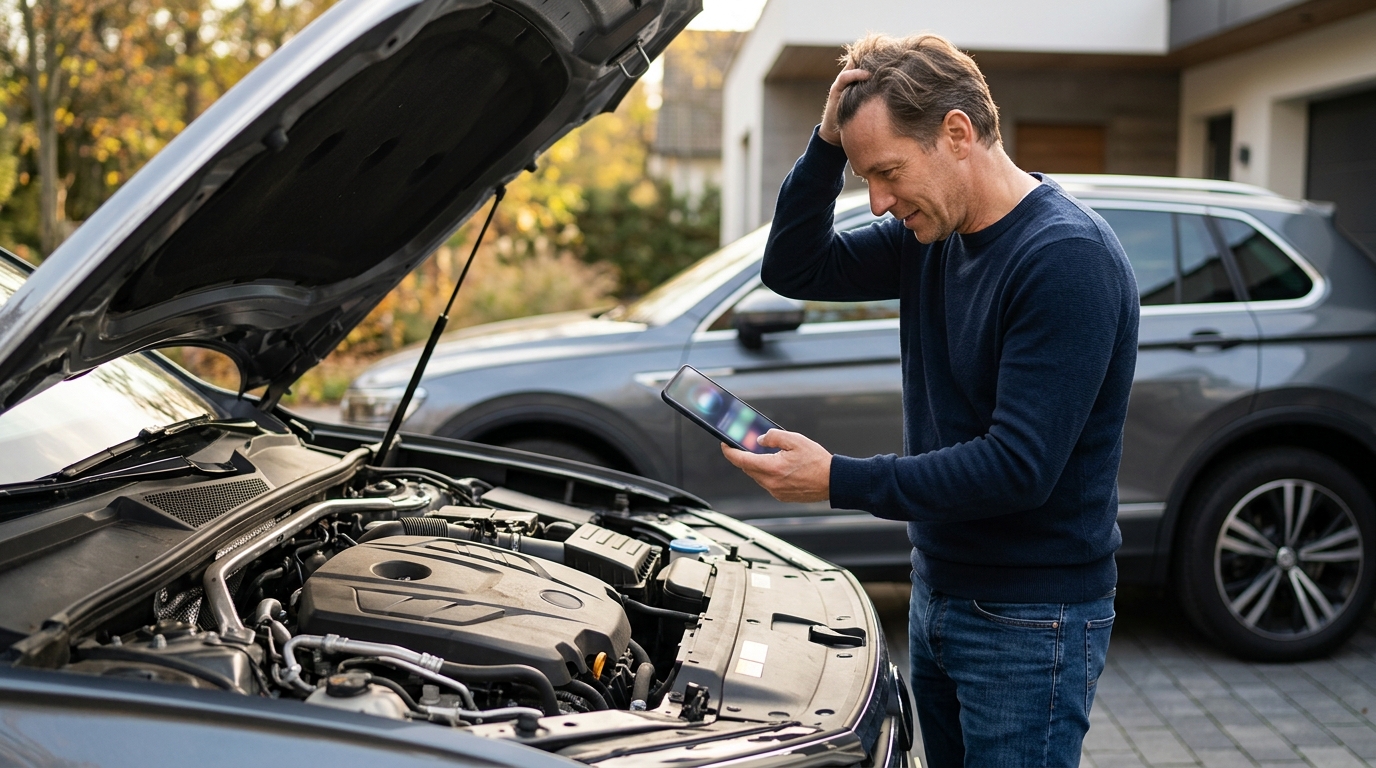
Modern vehicle troubleshooting has shifted dramatically toward digital solutions. According to the National Highway Traffic Safety Administration, over 40 percent of roadside breakdowns involve electrical or sensor malfunctions that traditional mechanics often misdiagnose initially. This statistic highlights why drivers now expect immediate, data-driven answers. Symptom-based car diagnosis is a structured troubleshooting method that maps user-reported complaints against historical repair databases to generate probability rankings. The following analysis explores how these applications function, their inherent limitations, and why verification remains critical for long-term vehicle health.
How Symptom-Based Diagnosis Works
Vehicle troubleshooting applications operate by cross-referencing user-reported complaints with established error code databases. When you describe a specific issue, the platform maps your description to standardized diagnostic trouble codes. This mapping process relies on historical repair data and manufacturer service bulletins. The system then generates a probable cause list ranked by likelihood. Drivers receive immediate guidance on whether the issue requires immediate attention or routine maintenance. This rapid translation saves time and reduces unnecessary shop visits.
The Role of AI in Modern Diagnostics
Artificial intelligence has fundamentally changed how automotive platforms process repair data. Machine learning algorithms analyze millions of completed service records to identify recurring failure patterns. These systems continuously refine their accuracy by comparing initial predictions against actual repair outcomes. AI car diagnostics is a machine learning framework that continuously refines accuracy by comparing initial software predictions against actual mechanic repair outcomes. The technology also adapts to regional climate variations and driving habits. This adaptive learning curve ensures that recommendations remain relevant across different vehicle models and usage scenarios. Mechanics benefit from faster initial assessments while owners gain transparent repair expectations.
Limitations of App-Only Diagnostics
Mobile diagnostic platforms cannot replace physical inspection procedures. Software predictions rely entirely on the accuracy of user input and available sensor data. Many modern vehicles store complex fault codes that require specialized scanning equipment to interpret fully. App-only diagnostics often miss intermittent electrical faults or mechanical wear that only appears under specific load conditions. According to the Society of Automotive Engineers, nearly thirty percent of software predictions require manual verification before parts replacement. This verification step prevents costly unnecessary repairs and ensures accurate component replacement. Drivers should treat app outputs as preliminary guides rather than definitive repair orders.
How AutoUncover Bridges the Gap
AutoUncover addresses the verification gap by integrating artificial intelligence with real-world repair confirmation. The platform allows users to submit specific vehicle complaints through a streamlined interface. Each submitted symptom gets matched against verified repair databases and manufacturer technical service bulletins. The system then generates a detailed diagnostic report that mechanics can immediately utilize. This workflow eliminates the traditional guesswork that inflates repair costs. Users access the platform through a simple start page and navigate directly to the symptoms module for rapid analysis. The platform also maintains strict data privacy standards to protect vehicle identification numbers and personal information. Mechanics appreciate the structured format because it reduces diagnostic time and increases first-time fix rates.
Choosing the Right Diagnostic Tool
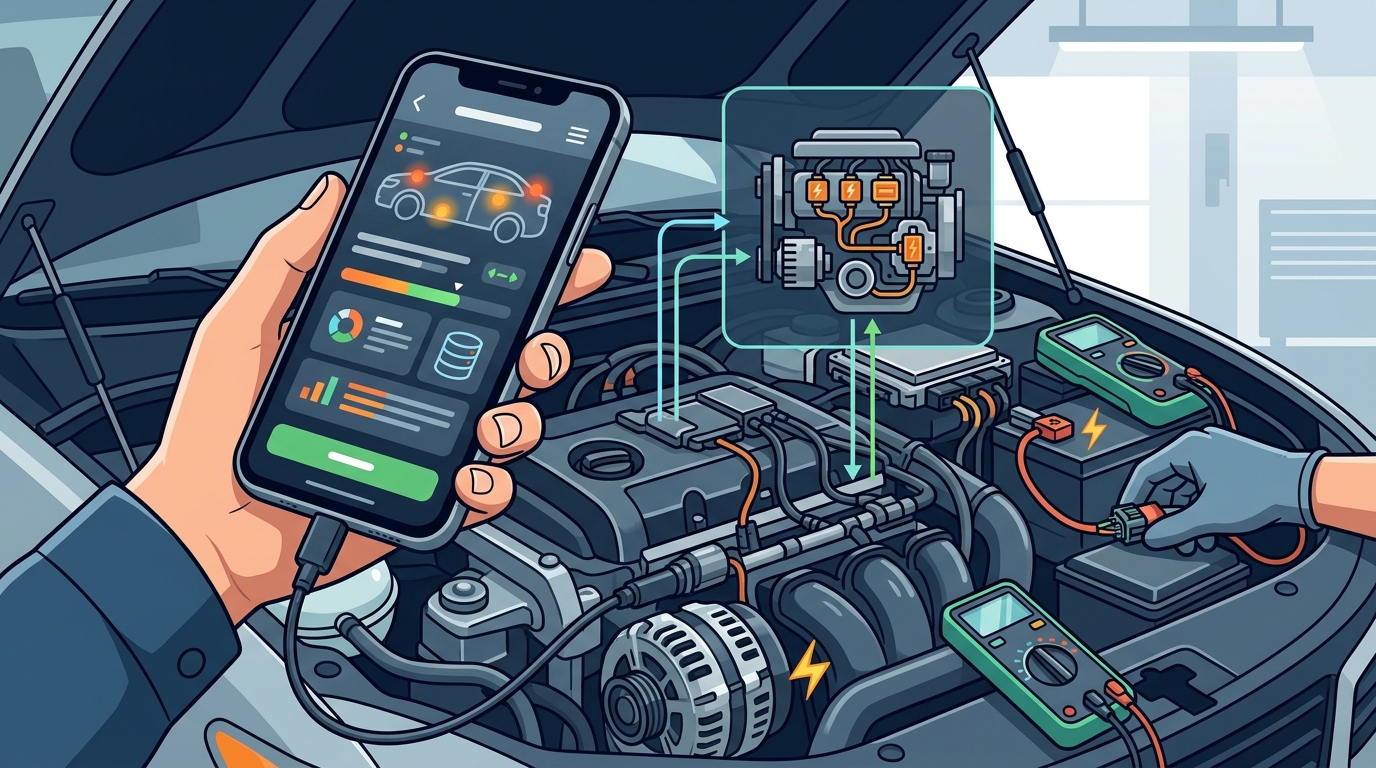
Selecting an appropriate diagnostic platform requires evaluating several key operational factors. Users must verify whether the application supports their specific vehicle make and model year. Subscription pricing structures vary significantly between basic code readers and comprehensive diagnostic suites. Professional-grade tools often require monthly fees but deliver deeper sensor data and live streaming capabilities. Consumer applications typically focus on symptom mapping and basic code clearing functions. The table below outlines the primary differences between available diagnostic approaches.
| Diagnostic Approach | Data Depth | Verification Requirement | Typical User Cost |
|---|---|---|---|
| Basic OBD2 Scanner | Standard trouble codes only | Manual mechanic inspection required | $20 to $150 one-time |
| Symptom Mapping App | Pattern-based probability scoring | Software prediction requires confirmation | $5 to $15 monthly |
| AI-Verified Platform | Machine learning cross-referenced with real repairs | Integrated mechanic verification workflow | $10 to $25 monthly |
| Dealer Diagnostic Suite | Manufacturer-specific proprietary protocols | Authorized service center only | $150 to $300 per visit |
The Future of Vehicle Troubleshooting
Connected vehicle technology continues to accelerate diagnostic capabilities. Modern vehicles generate terabytes of operational data daily through embedded telematics units. This continuous data stream enables predictive maintenance models that flag component failures before they cause breakdowns. According to the Environmental Protection Agency, predictive maintenance strategies reduce fleet downtime by approximately twenty-two percent annually. Drivers will soon receive automated service alerts directly to their mobile devices. These alerts will include precise repair instructions and estimated part costs. The integration of cloud-based repair databases with onboard computer systems will create a seamless diagnostic ecosystem. Mechanics will transition from troubleshooting experts to verification specialists who confirm software-generated repair plans.
Key Takeaways
- Symptom-based car diagnosis translates vague mechanical complaints into structured technical queries for faster initial assessments.
- AI car diagnostics eliminates guesswork by prioritizing high-probability components based on millions of verified service records.
- App-only platforms cannot replace physical inspection procedures due to intermittent electrical faults and mechanical wear conditions.
- AutoUncover bridges the verification gap by cross-referencing user complaints with real-world repair confirmation data.
- Subscription pricing structures vary significantly between basic code readers and comprehensive diagnostic suites.
- Predictive maintenance strategies reduce fleet downtime by approximately twenty-two percent annually according to industry reports.
- Connected vehicle technology enables automated service alerts with precise repair instructions and estimated part costs.
Frequently Asked Questions
Can a mobile app accurately diagnose engine misfires?
Mobile applications can identify misfire codes and suggest probable causes like spark plugs or fuel injectors. However, accurate diagnosis requires verifying compression levels and ignition coil performance through physical testing. Software predictions serve as initial guides rather than definitive repair orders.
How does symptom-based car diagnosis differ from standard OBD2 scanning?
Standard OBD2 scanning retrieves stored error codes without contextual analysis. Symptom-based car diagnosis maps user-reported complaints against historical repair data to generate probability rankings. This contextual approach reduces unnecessary part replacements and speeds up initial troubleshooting.
Is AI car diagnostics safe for older vehicle models?
Artificial intelligence platforms safely analyze older vehicles by focusing on documented failure patterns and manufacturer service bulletins. The system cross-references your specific model year against verified repair databases to generate accurate recommendations. This method works reliably across vehicles manufactured after the early two-thousand era.
What steps should I take after receiving a diagnostic report?
You should schedule a verification appointment with a certified mechanic who can inspect the recommended components. The platform provides structured reports that streamline the inspection process and reduce diagnostic labor charges. Mechanics appreciate the clear documentation because it minimizes guesswork and increases first-time fix rates.
How does AutoUncover verify its diagnostic predictions?
The platform verifies predictions by cross-referencing submitted symptoms against completed repair records and manufacturer technical bulletins. Each prediction gets validated through actual mechanic confirmations before appearing in the public database. This continuous validation loop ensures long-term accuracy and reliability.
Can I use diagnostic apps for electric vehicles?
Modern diagnostic platforms increasingly support electric vehicle battery management systems and thermal regulation faults. The applications map high-voltage warnings against verified repair procedures to generate safe troubleshooting steps. Always consult manufacturer guidelines before attempting any high-voltage system inspections.
What privacy protections exist for vehicle data submitted to diagnostic platforms?
Reputable platforms implement strict data encryption and anonymization protocols to protect vehicle identification numbers. Users can review the privacy policy to understand exactly how their information gets processed. The platform also restricts data sharing with third-party advertisers to maintain strict confidentiality standards.
Start Your Vehicle Diagnostic Today
Stop guessing about mechanical failures and start receiving verified diagnostic insights. Create your free account through our secure authentication portal and submit your first vehicle complaint. Our team processes every symptom report against real-world repair data to generate accurate troubleshooting guides. Visit our frequently asked questions page to learn more about platform capabilities. Review the terms of service to understand platform usage guidelines. Book your verification appointment today and experience the future of transparent automotive troubleshooting.