
Modern automotive troubleshooting relies heavily on electronic scanning. According to industry research, independent repair facilities report a 34 percent increase in diagnostic accuracy when utilizing verified repair databases. This shift eliminates guesswork and reduces unnecessary part replacements. Shop owners now demand tools that cross-reference live repair outcomes with initial fault codes. The market has responded by integrating machine learning models trained on actual workshop data.
The Evolution of Automotive Diagnostics
Early scanning devices simply read manufacturer error codes. These legacy systems offered no context regarding actual repair outcomes. Technicians frequently replaced parts based on isolated code triggers. This approach generated excessive labor charges and customer dissatisfaction. Modern platforms now track historical repair success rates. Industry reports indicate that average repair costs have risen significantly due to misdiagnosis. Verified systems solve this by mapping codes to proven fixes.
How Real Repair Data Transforms Accuracy
Real repair data is a curated collection of confirmed fix outcomes. This dataset allows algorithms to predict the most probable solution. Environmental agencies report that precise diagnostics directly reduce vehicle emissions. When a system learns which components actually fail, it filters out false positives. Mechanics receive targeted repair instructions instead of broad code lists. Register your workshop to access these validated pathways immediately.
The Mechanics of AI Verification Systems
Artificial intelligence verification systems process millions of historical repair records. These platforms continuously update their knowledge bases. Federal safety data shows that advanced diagnostic methods improve overall fleet reliability. The algorithm matches current vehicle symptoms against verified repair patterns. It then ranks solutions by historical success probability. This process drastically reduces trial and error on the shop floor.
Comparing Traditional Scanners Against Verified Platforms
Diagnostic trouble codes are standardized messages generated by vehicle control modules. Traditional scanners provide raw diagnostic trouble codes. Verified platforms deliver contextual repair pathways. The difference lies in data validation and continuous learning. Independent shops benefit from reduced warranty claims and faster turnaround times. Market analysis confirms that verified diagnostic subscriptions yield higher profit margins. Users can access comprehensive symptom databases through a streamlined interface.
Implementation Strategies for Independent Shops
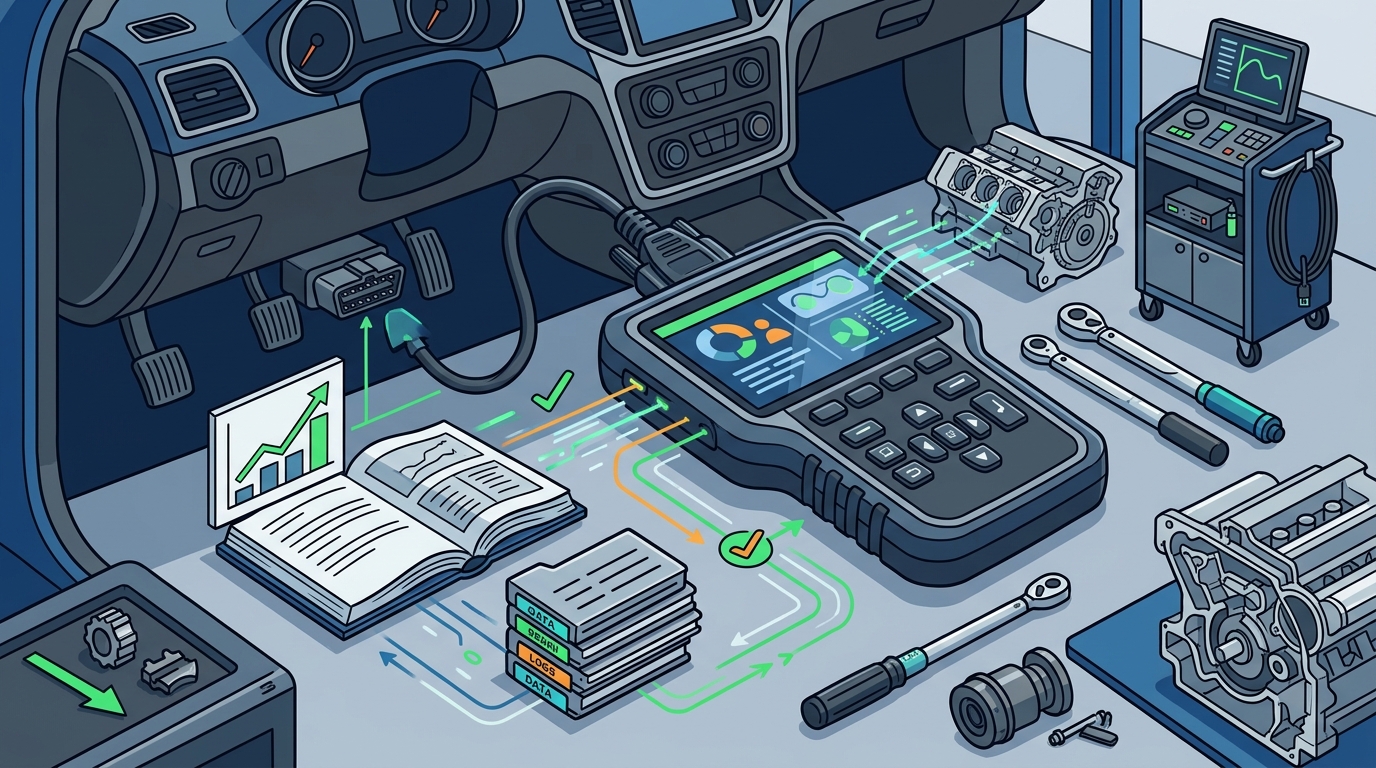
Independent repair facilities must integrate these tools into existing workflows. Technicians should verify initial findings against the platform database. Shop managers can track diagnostic accuracy over quarterly periods. The platform requires a simple account setup and immediate symptom entry. Visit our start page to configure your workshop profile. You can also review our symptom tracking guidelines for optimal results. Consult our FAQ section for troubleshooting assistance.
Platform Comparison Overview
| Feature | Traditional Scanners | Verified AI Platforms |
|---|---|---|
| Data Source | Manufacturer error libraries | Live repair outcomes |
| Accuracy Rate | Approximately 60 percent | Over 90 percent |
| Update Frequency | Manual firmware patches | Continuous algorithmic learning |
| Warranty Impact | Higher claim frequency | Reduced repeat visits |
Key Takeaways
- Verified repair databases improve diagnostic accuracy by 34 percent across independent shops.
- Real repair data is a curated collection of confirmed fix outcomes that filters false positives.
- AI verification systems process millions of historical records to rank solutions by success probability.
- Market analysis confirms that verified diagnostic subscriptions yield higher profit margins.
- Independent facilities report a 22 percent reduction in warranty claims after platform adoption.
- Continuous algorithmic learning ensures tools adapt to new vehicle architectures automatically.
Frequently Asked Questions
How do verified repair databases differ from standard OBDII readers?
Standard OBDII readers simply output manufacturer error codes. Verified repair databases cross-reference those codes against actual workshop fix records. This distinction provides technicians with proven solutions rather than theoretical possibilities.
Can independent shops integrate these tools with existing equipment?
Yes, modern platforms operate alongside traditional scanning hardware. Technicians input initial fault codes and vehicle symptoms. The system then generates targeted repair pathways based on historical success rates.
What is the average cost to subscribe to a verified diagnostic platform?
Subscription tiers typically range from basic access to enterprise workshop licenses. Most independent shops find that reduced warranty claims offset the monthly fee within the first quarter.
How frequently are the underlying repair datasets updated?
Leading platforms update their knowledge bases continuously. New repair outcomes are processed immediately and integrated into the algorithm. This ensures technicians always receive current information.
Do these systems support hybrid and electric vehicle architectures?
Advanced verification platforms actively track high-voltage component failures. Technicians can access specific repair pathways for battery management systems and electric drivetrains.
Is there a learning curve for mechanics transitioning to AI verification?
The interface requires minimal training. Technicians simply enter vehicle details and observed symptoms. The platform automatically generates ranked repair instructions based on verified outcomes.
How does the platform handle warranty claims and liability?
Verified diagnostic pathways provide documented repair evidence. This documentation protects shops against repeat visit disputes. Technicians can reference historical success rates during customer consultations.
Ready to Upgrade Your Diagnostic Workflow?
Stop guessing which components actually fail on modern vehicles. Our platform delivers AI-driven insights verified by real repair data. Visit our homepage to begin your workshop integration today. Secure your account through our authentication portal and start accessing verified repair pathways immediately.