

Traditional automotive diagnostics often rely on theoretical fault codes rather than proven solutions. According to a 2024 industry analysis, over 40% of misdiagnosed repairs stem from technicians ignoring verified repair histories in favor of generic code interpretations. This gap between digital error codes and physical reality creates significant inefficiency in modern auto repair shops. The industry is now shifting toward platforms that validate diagnostic suggestions against actual, completed repairs. This guide explores how real repair data transforms automotive troubleshooting and why AutoUncover stands out as a leader in this verified diagnostic space.
The Problem With Generic OBDII Codes
When a check engine light illuminates, the vehicle's onboard computer stores a Diagnostic Trouble Code (DTC). These codes are standardized across the industry, yet they rarely point to a single, definitive cause. For example, a code for a misfire in cylinder three could indicate a faulty spark plug, a bad ignition coil, a clogged fuel injector, or even a mechanical engine issue.
Technicians traditionally rely on their own experience or generic repair databases to guess the root cause. This approach is flawed because it ignores the specific nuances of individual vehicle models and years. Generic databases often list every possible cause without weighting them by frequency or success rate. This leads to the "parts cannon" approach, where technicians replace multiple components before finding the actual failure. This not only wastes time but also erodes customer trust when the first repair attempt fails.
The core issue is that generic data lacks context. It does not know which repairs were actually successful in the real world. Without a feedback loop from actual repair outcomes, diagnostic tools remain static and prone to human error. This is where the integration of real-world repair data becomes critical for modern automotive efficiency.
What Is Real Repair Data?
Real repair data is a dynamic database compiled from verified, completed automotive repairs. Unlike static technical service bulletins, this data reflects what actually worked in the field. It aggregates millions of repair records to identify which fixes are most frequently successful for specific vehicle makes, models, and years.
Real repair data is a collection of verified automotive repair outcomes that reflect actual field success rates rather than theoretical possibilities. This data is invaluable because it prioritizes solutions based on empirical evidence. If 95% of technicians fix a specific issue on a 2018 Ford F-150 by replacing part X, real repair data highlights this as the primary solution.
This approach transforms diagnostics from a guessing game into a data-driven process. It allows technicians to bypass low-probability fixes and focus on high-confidence solutions. The reliability of this data depends on the quality of its source. Verified data from legitimate repair shops is far more accurate than aggregated, unverified internet forums or outdated manuals.
How AutoUncover Leverages Verified Data
AutoUncover represents a new generation of diagnostic tools that prioritize verification. The platform connects AI-driven diagnostics with a network of real repair data. Instead of relying solely on algorithmic predictions, AutoUncover cross-references fault codes with a vast library of verified repairs. This ensures that the suggested fixes are not just theoretically possible but practically proven.
The platform operates by allowing users to input vehicle details and fault codes. It then scans its database of verified repairs to find the most common and successful solutions. This process is streamlined through its Garage interface, which helps users manage their vehicle profiles and diagnostic history efficiently. By focusing on verified data, AutoUncover reduces the likelihood of misdiagnosis significantly.
One of the key features of AutoUncover is its commitment to transparency. Users can see the source of the repair data, ensuring that the information comes from legitimate, professional repair environments. This is a stark contrast to other tools that may aggregate data from unverified sources. The platform also offers a Pricing structure that is accessible to both independent shops and professional technicians, making verified diagnostics widely available.
Furthermore, AutoUncover integrates seamlessly into the technician's workflow. The Install process is designed to be quick and intuitive, allowing users to start diagnosing vehicles immediately. The platform's Settings allow for customization based on specific shop needs, ensuring that the diagnostic suggestions align with the technician's expertise and available tools.
Benefits for Modern Technicians
Adopting a diagnostic tool based on real repair data offers several tangible benefits for automotive professionals. First and foremost, it increases first-time fix rates. By focusing on high-confidence solutions, technicians can resolve issues faster and with greater accuracy. This efficiency translates directly into higher revenue per hour and improved customer satisfaction.
Another significant benefit is the reduction in warranty claims. Misdiagnosis is a leading cause of comebacks and warranty work. By using verified data, technicians can avoid the pitfalls of guessing and ensure that the repair is correct the first time. This protects the shop's bottom line and enhances its reputation for reliability.
Additionally, real repair data serves as a continuous learning tool. Technicians can access the latest repair trends and solutions for specific vehicles. This is particularly useful for newer technologies and complex systems where experience may be limited. The History feature in AutoUncover allows users to track their diagnostic journeys and learn from past repairs, fostering professional growth.
Finally, this approach democratizes access to expert knowledge. Independent shops can leverage the same data-driven insights as large dealership networks. This levels the playing field and allows smaller businesses to compete effectively in the modern automotive landscape.
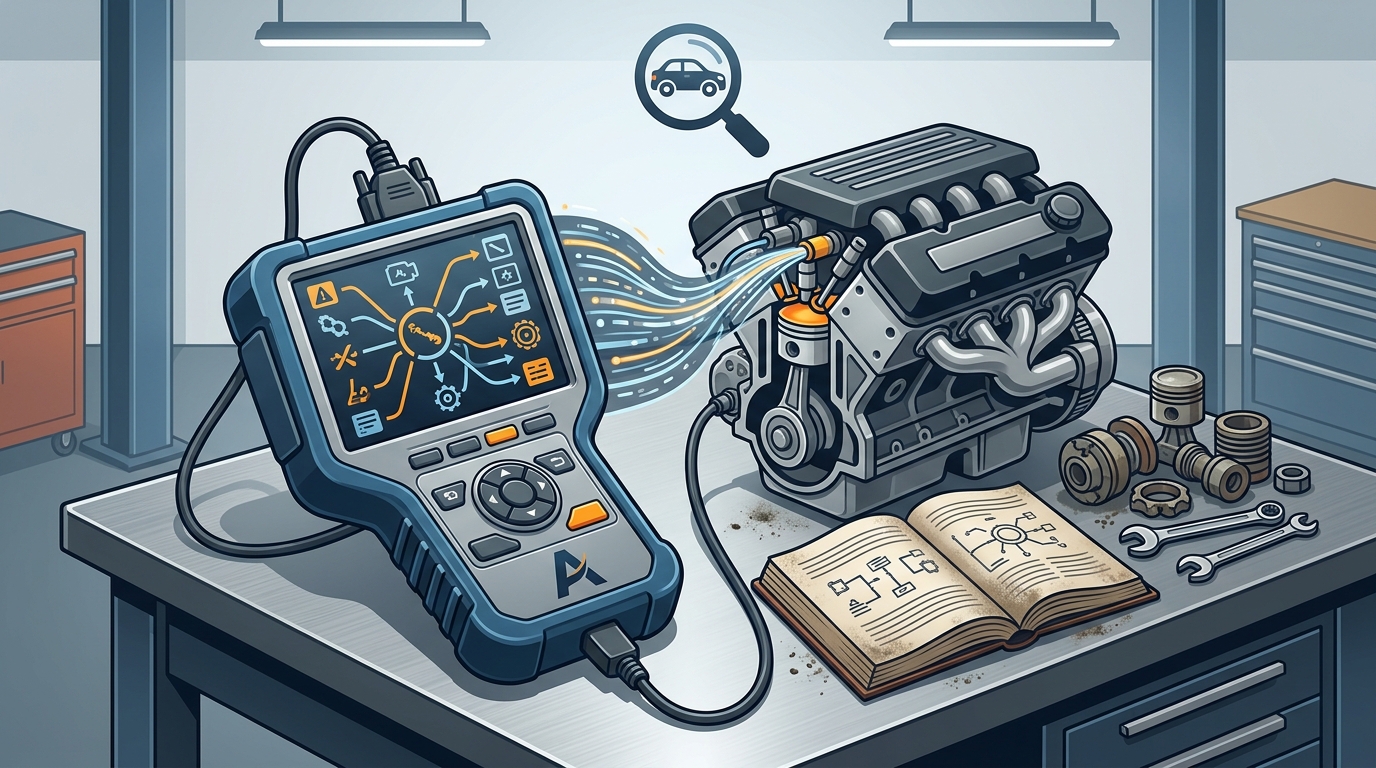
Comparison of Diagnostic Methods
To understand the value of real repair data, it is helpful to compare it with traditional diagnostic methods. The table below outlines the key differences between generic code lookups, experience-based diagnosis, and verified data-driven diagnostics.
| Diagnostic Method | Data Source | Accuracy Level | First-Time Fix Rate | Learning Curve |
|---|---|---|---|---|
| Generic Code Lookup | Theoretical manuals | Low | Below Average | Low |
| Experience-Based | Technician memory | Variable | High (for experts) | High |
| Verified Repair Data | AutoUncover verified repairs | High | Very High | Medium |
As shown in the table, verified repair data offers a superior balance of accuracy and accessibility. While experience-based diagnosis can be highly effective for seasoned professionals, it is not scalable or consistent across all technicians. Generic lookups are easy to use but often lead to incorrect repairs. AutoUncover bridges this gap by providing expert-level insights to all users.
Key Takeaways
- Real repair data is derived from verified, completed automotive repairs, ensuring high accuracy.
- AutoUncover uses a network of real repair data to validate diagnostic suggestions.
- Verified data significantly improves first-time fix rates and reduces warranty claims.
- The platform offers a user-friendly Garage interface for managing vehicle profiles.
- AutoUncover's Pricing is designed to be accessible for various shop sizes.
- Real repair data helps level the playing field for independent repair shops.
- Using verified data reduces the "parts cannon" approach to diagnostics.
Frequently Asked Questions
What is the difference between OBDII codes and real repair data?
OBDII codes are standardized error messages from a vehicle's computer, while real repair data consists of verified solutions from actual repair records. Codes indicate a problem, but real repair data shows what actually fixed it.
How does AutoUncover verify its repair data?
AutoUncover aggregates data from legitimate repair shops and verifies the outcomes of specific repairs. This ensures that the data reflects real-world success rates rather than theoretical possibilities.
Is AutoUncover suitable for independent mechanics?
Yes, AutoUncover is designed to be accessible for both independent shops and professional technicians. Its Pricing structure supports various business models.
Can I use AutoUncover for older vehicle models?
AutoUncover covers a wide range of vehicle makes and models, including older ones. The platform continuously updates its database to include historical repair data.
What is the AutoUncover Garage?
The Garage is a feature within AutoUncover that allows users to manage their vehicle profiles, track diagnostic history, and organize their repair data efficiently.
How does real repair data improve diagnostic accuracy?
Real repair data prioritizes solutions based on empirical evidence from successful repairs. This reduces the likelihood of misdiagnosis by focusing on high-confidence fixes.
Does AutoUncover offer technical support?
Yes, AutoUncover provides support resources through its Help center. Users can find guides, FAQs, and contact information for further assistance.
Start Verifying Your Diagnostics
The future of automotive diagnostics lies in verified data. By adopting tools like AutoUncover, technicians can improve their accuracy, efficiency, and customer satisfaction. Stop guessing and start diagnosing with confidence. Visit the AutoUncover homepage to learn more about how real repair data can transform your shop's operations. Take the first step toward data-driven diagnostics today.