
Modern vehicles generate over 100 million data points per hour, yet most drivers remain unaware of critical mechanical failures until the car breaks down. According to the American Automobile Association, roadside assistance calls related to battery and electrical issues have surged by 15% in recent years, highlighting the need for proactive monitoring. You do not need to visit a repair shop to understand your vehicle's health. By leveraging onboard diagnostics and modern AI tools, you can identify issues early, save significant money, and maintain better control over your vehicle's longevity.
Understanding the OBD2 Port
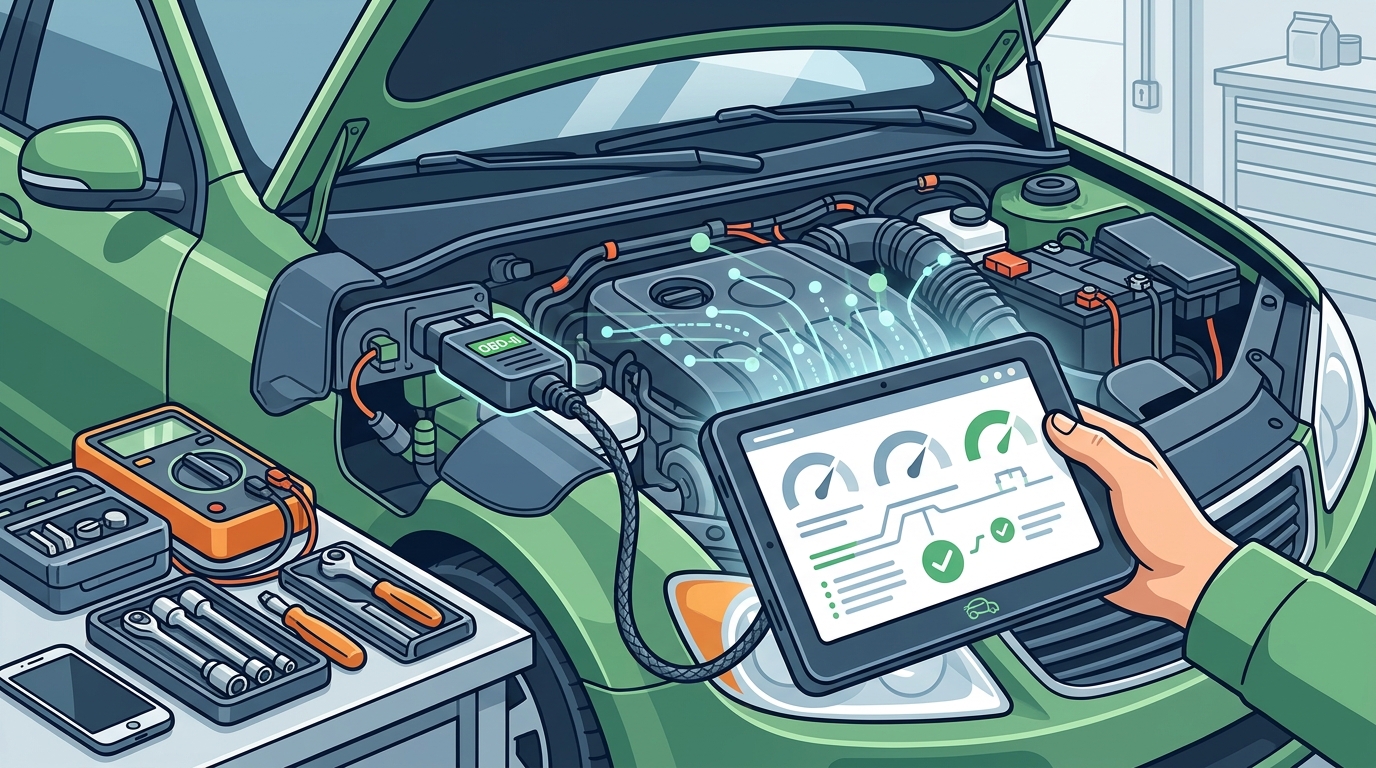
Every car manufactured after 1996 in the United States comes equipped with an On-Board Diagnostics (OBD2) port. This standardized interface allows you to communicate directly with your car's computer. The port is typically located under the dashboard on the driver's side. It serves as the primary gateway for retrieving trouble codes that indicate specific system failures.
Using an OBD2 scanner is the first step in self-diagnosis. These devices read the Diagnostic Trouble Codes (DTCs) stored in your vehicle's memory. While a code like P0300 indicates a random misfire, it does not tell you the root cause. This is where advanced tools become essential. You can connect these scanners to your smartphone to get real-time data. For more information on setting up your diagnostic hardware, visit our installation guide.
Smartphone-Based Diagnostic Tools
The evolution of mobile technology has transformed how we approach car maintenance. You no longer need expensive, bulky hardware to get accurate readings. Modern apps connect to Bluetooth OBD2 adapters to provide detailed insights. These tools translate complex engine data into readable metrics.
Key metrics to monitor include engine temperature, fuel trim, and oxygen sensor readings. Abnormal fuel trim values often indicate vacuum leaks or fuel system issues. Monitoring these values helps you distinguish between minor sensor errors and major mechanical problems. You can track your vehicle's history and maintenance logs directly through the app. This ensures you never miss a scheduled service interval. Learn more about managing your vehicle profile in the garage section.
AI-Powered Vehicle Analysis
Traditional scanners provide codes, but they lack context. This is where artificial intelligence changes the game. AI diagnostics analyze your vehicle's data patterns against millions of repair records. This technology verifies codes by cross-referencing them with real-world repair outcomes. It reduces the likelihood of misdiagnosis, which is a common issue with basic scanners.
AutoUncover uses this methodology to provide verified diagnostics. Our platform connects your vehicle data with a network of real repairs to confirm issues. This ensures that the advice you receive is actionable and accurate. You can access these verified insights through our main platform. The system also helps you understand the severity of each code. It prioritizes issues that require immediate attention versus those that can wait. For detailed explanations of our verification process, check the help center.
Physical Inspection Checklist
Digital data is powerful, but physical inspection remains critical. Some issues, such as fluid leaks or worn belts, cannot be detected by sensors alone. A systematic visual check can reveal problems before they cause catastrophic failure. Start by checking your fluid levels, including oil, coolant, and brake fluid.
Look for discoloration or debris in the fluids. Dark, gritty oil indicates a need for an immediate change. Coolant that appears oily may suggest a head gasket failure. Inspect your belts and hoses for cracks, fraying, or bulges. A broken serpentine belt can leave you stranded in minutes. Also, check your tires for uneven wear patterns, which can signal alignment issues. Regular maintenance checks are vital for long-term reliability. You can review your service history in the history tab.
Cost Comparison: DIY vs. Shop
Understanding the financial impact of self-diagnosis is crucial. Professional diagnostic fees at a dealership or independent shop can range from $100 to $200. These fees are often waived if you proceed with repairs, but they add up if you are just gathering information. DIY tools require a one-time investment that pays for itself quickly.
| Method | Initial Cost | Accuracy Level | Time Required |
|---|---|---|---|
| Basic OBD2 Scanner | $20 - $50 | Low (Codes Only) | 5 Minutes |
| Smartphone App + Adapter | $30 - $80 | Medium (Data + Codes) | 15 Minutes |
| AI Verified Diagnostics | Subscription Based | High (Verified Repairs) | 10 Minutes |
| Professional Shop Visit | $100 - $200+ | High (Expert Analysis) | 1-2 Hours |
As shown in the table, AI-powered diagnostics offer a high accuracy level at a fraction of the cost of a shop visit. The time savings are also significant. You can diagnose your car from your driveway. This approach empowers you to make informed decisions about repairs. You can view our pricing options to find the best plan for your needs.
Key Takeaways
- OBD2 is Standard: All cars post-1996 have a standardized diagnostic port for easy access.
- AI Verification Matters: Traditional scanners provide codes, but AI verifies them against real repair data.
- Cost Savings: DIY diagnosis can save you $100 to $200 per visit in diagnostic fees.
- Physical Checks: Always combine digital data with visual inspections of fluids and belts.
- Real-Time Monitoring: Smartphone apps allow you to monitor engine health continuously.
- Proactive Maintenance: Early detection prevents minor issues from becoming major repairs.
- Accessibility: You do not need mechanical expertise to use modern diagnostic tools effectively.
Frequently Asked Questions
Can I diagnose my car without any tools?
You can perform basic visual inspections without tools, but accurate diagnosis requires an OBD2 scanner or a smartphone app. Physical symptoms like noises or smells provide clues, but they are not definitive.
What is the difference between a scanner and AI diagnostics?
A standard scanner reads trouble codes from your car's computer. AI diagnostics analyze those codes alongside millions of repair records to verify the actual issue, reducing misdiagnosis.
How accurate are smartphone car diagnostic apps?
Smartphone apps are highly accurate for reading live data and codes. Their accuracy depends on the quality of the OBD2 adapter used. Apps like AutoUncover add a layer of verification to ensure the data is actionable.
Do I need to go to a mechanic if my check engine light is on?
Not immediately. You can diagnose the issue yourself first. If the light is flashing, it indicates a severe misfire that requires immediate attention. If it is steady, you can often diagnose and address the issue later.
Can AI diagnostics replace a mechanic?
AI diagnostics provide verified information to help you make decisions. They do not replace the physical labor of a mechanic. However, they ensure you get the right repair the first time, reducing reliance on guesswork.
What are the most common car diagnostic codes?
Common codes include P0300 (random misfire), P0420 (catalyst efficiency), and P0171 (system too lean). Understanding these codes helps you communicate effectively with repair professionals.
Is it safe to drive with a check engine light?
It depends on the severity. A steady light usually allows for safe driving to a diagnostic tool. A flashing light indicates a serious problem that could damage the engine. It is best to stop driving and diagnose immediately.
Start Diagnosing Today
Take control of your vehicle's health with verified, AI-powered diagnostics. Stop guessing and start knowing. Visit AutoUncover.com to set up your account and begin diagnosing your car from anywhere. Get the accuracy of a shop visit with the convenience of your smartphone.