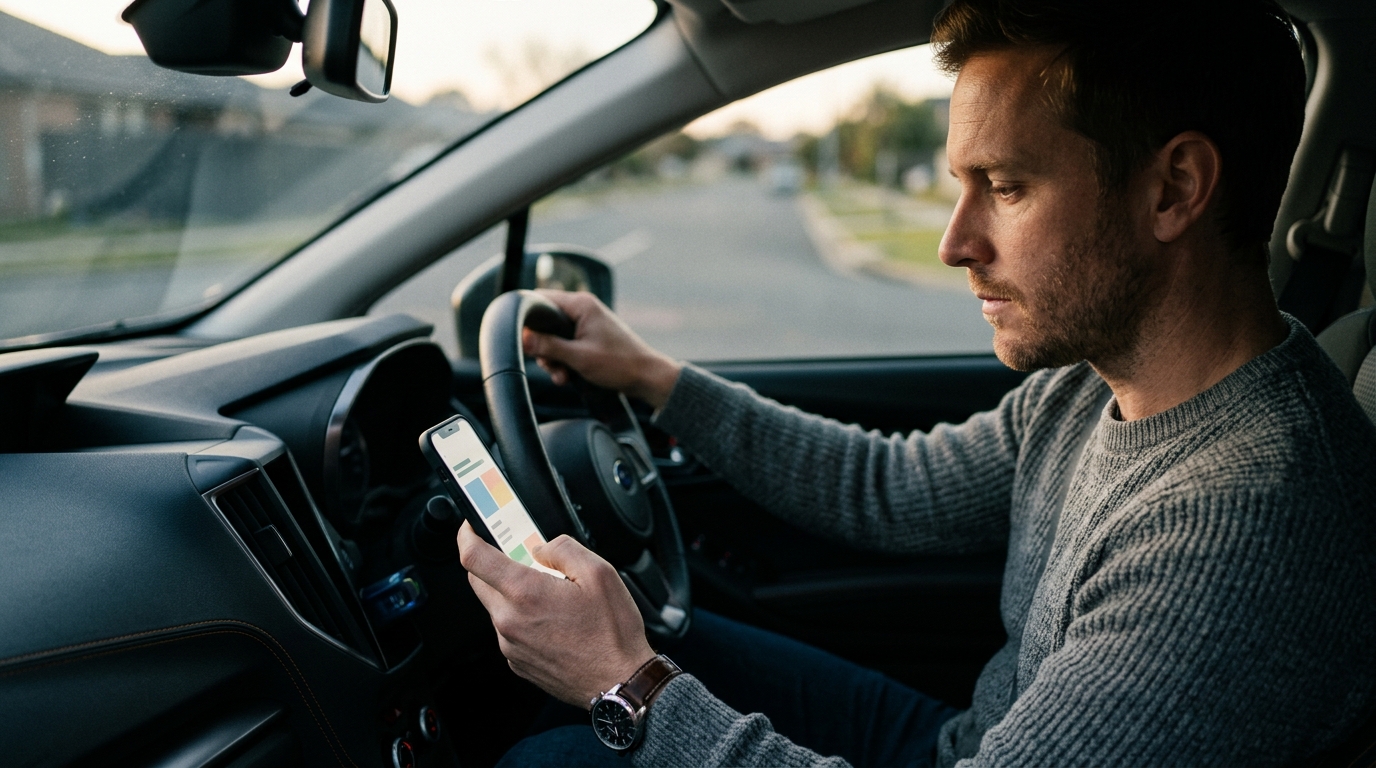
Modern vehicle diagnostics have shifted from heavy, expensive shop equipment to pocket-sized smartphone applications. According to recent industry data, the global automotive diagnostic software market is projected to grow significantly through 2026, driven by the increasing complexity of onboard computer systems. This growth highlights a critical need for vehicle owners to understand which tools provide genuine value versus those that offer mere curiosity. Navigating this landscape requires distinguishing between basic code readers and comprehensive diagnostic ecosystems.
The Reality of Free Diagnostic Apps
Many users search for completely free car diagnostic apps, expecting full access to vehicle data without cost. While several applications offer free tiers, their functionality is often limited to reading and clearing basic engine codes. These apps typically rely on the standard OBD-II protocol, which provides access to powertrain information but excludes deeper systems like ABS, airbags, or transmission control.
For example, basic apps may allow you to see a "Check Engine" light cause, but they rarely provide the live data streams necessary for advanced troubleshooting. This limitation means that while the app is free, the diagnostic capability is shallow. Users often find that they still need to visit a professional service center for accurate repairs. This is where the distinction between a code reader and a true diagnostic tool becomes vital.
Some platforms offer free initial scans to attract users, but require subscriptions for detailed reports. This model is common in the automotive software industry. It is important to verify the depth of data before relying on a free tool for critical decisions. Always check if the app supports your specific vehicle make and model, as compatibility varies widely across manufacturers.
Affordable Hardware Solutions
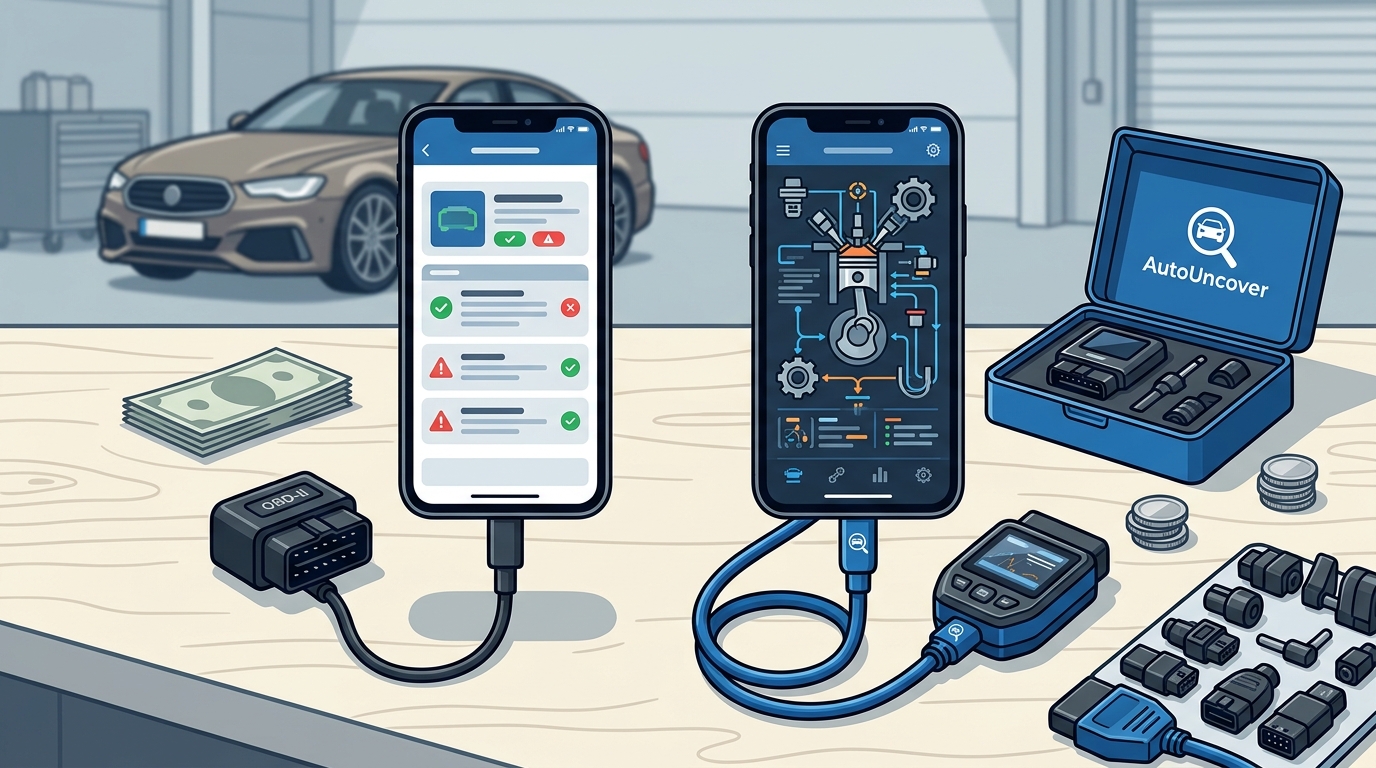
Software alone cannot diagnose a car; it requires a physical interface to communicate with the vehicle's onboard computer. Affordable hardware solutions have emerged as a cost-effective alternative to dealership scanners. These devices typically connect via Bluetooth or Wi-Fi to your smartphone, bridging the gap between your car and your screen.
Entry-level OBD-II scanners often cost between $20 and $50. These devices provide basic code reading and live data monitoring. They are sufficient for occasional users who want to verify a repair before visiting a mechanic. However, they lack the advanced features found in professional-grade tools. For instance, they may not support bi-directional controls or module coding.
Mid-range devices offer more robust features, including ABS and SRS diagnostics. These tools are ideal for DIY enthusiasts who perform regular maintenance. The cost-benefit analysis favors these devices for anyone who owns a car for more than five years. Investing in quality hardware ensures long-term reliability and accurate data transmission.
Feature Comparison Matrix
Understanding the differences between free apps, affordable hardware, and premium services is essential for making an informed decision. The following table summarizes the key distinctions across various diagnostic approaches.
| Diagnostic Method | Cost Range | Depth of Data | Best Use Case |
|---|---|---|---|
| Free Smartphone Apps | $0 | Basic Engine Codes Only | Quick code verification |
| Entry-Level OBD-II Scanner | $20 - $50 | Live Data & Basic Codes | Occasional DIY maintenance |
| Mid-Range Professional Scanner | $100 - $300 | ABS, SRS, Transmission | Advanced DIY repairs |
| Premium AI Diagnostics | Subscription Based | Verified Repair Insights | Accurate, expert-level guidance |
Key Takeaways
- Free apps typically only read basic powertrain codes, limiting their diagnostic utility.
- Affordable hardware scanners provide a cost-effective entry point for DIY enthusiasts.
- Mid-range devices offer access to ABS and airbag systems, expanding repair capabilities.
- Premium services like AutoUncover provide AI-verified diagnostics for complex issues.
- Compatibility with your specific vehicle make and model is crucial for accurate results.
- Live data monitoring is essential for diagnosing intermittent electrical faults.
- Investing in quality tools reduces reliance on expensive dealership visits.
Frequently Asked Questions
Can I diagnose my car with just a free app?
Free apps can read and clear basic engine codes, but they lack the depth for comprehensive diagnostics. They are suitable for quick checks but not for complex repairs.
What is the best affordable OBD-II scanner?
Entry-level scanners from reputable brands offer the best balance of cost and functionality. Look for devices that support live data and multiple protocols.
Do I need a subscription for advanced diagnostics?
Yes, advanced features like bi-directional controls and module coding often require paid subscriptions or professional-grade hardware.
How accurate are smartphone diagnostic apps?
Accuracy depends on the quality of the hardware interface and the app's data processing. Premium services like AutoUncover Garage verify data with real repairs for higher accuracy.
Can diagnostic apps fix my car?
No, apps provide information and guidance. They do not physically repair the vehicle. You must perform the repairs or visit a professional.
What is the difference between OBD-II and OBD-I?
OBD-II is the standard for vehicles manufactured after 1996. OBD-I is a proprietary system used in older vehicles, requiring different diagnostic tools.
Are free diagnostic apps safe to use?
Most free apps are safe, but some may collect user data. Always review privacy policies and choose reputable developers.
Next Steps
Stop guessing with your vehicle's health. Upgrade from basic code reading to verified, AI-driven diagnostics. Visit AutoUncover to explore our comprehensive diagnostic solutions. Our platform connects you with real repair data, ensuring you get the right fix the first time. View our pricing to find the perfect plan for your needs. Install now and take control of your car's maintenance.