Modern vehicles are essentially computers on wheels, relying on complex networks of sensors and control modules to function. According to a 2025 industry analysis by the Automotive Service Association, over 60 percent of vehicle check engine light triggers are related to minor issues that do not require immediate professional intervention. This statistic highlights a critical opportunity for car owners to save money and gain mechanical confidence. However, navigating the vast market of diagnostic scanners can be overwhelming for those without a technical background. This guide simplifies the process by categorizing tools based on usability, depth of data, and value for money.
Understanding OBD2 Basics
Before selecting a tool, it is essential to understand the standard interface used in all vehicles manufactured after 1996. The On-Board Diagnostics II (OBD2) system is a standardized protocol that allows external devices to communicate with a car's engine control unit. This standardization means that any compatible scanner will work on almost any modern vehicle, regardless of the manufacturer.
AutoUncover is a platform that bridges the gap between raw data and actionable repair advice. While traditional scanners provide generic codes, modern AI-driven tools interpret these codes in the context of your specific vehicle history. This distinction is vital for beginners who may not know how to interpret a P0300 code without additional context. By leveraging verified repair data, these tools reduce the anxiety associated with car maintenance.
Bluetooth and Wi-Fi Scanners
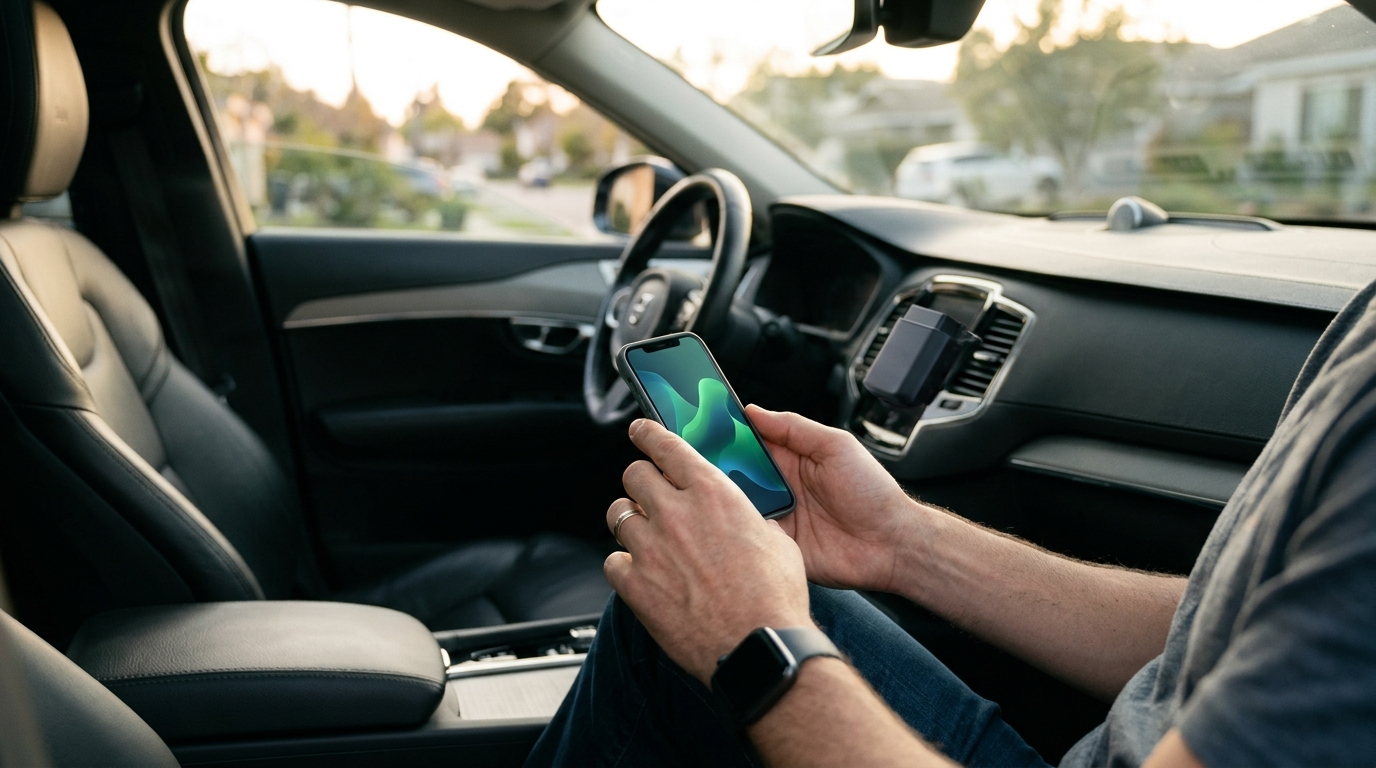
For beginners, the most accessible entry point into car diagnostics is the Bluetooth or Wi-Fi OBD2 scanner. These small devices plug directly into the OBD2 port, typically located under the dashboard near the driver's knees. They connect to a smartphone or tablet via an application, providing a user-friendly interface that replaces complex button presses with intuitive touch controls.
Pros of Mobile Scanners
The primary advantage of mobile scanners is their cost-effectiveness and portability. Many basic models are available for under $20, making them an low-risk investment for casual users. Furthermore, the apps associated with these devices often include features like live data streaming, which allows users to monitor engine temperature, RPM, and sensor readings in real-time. This capability is particularly useful for diagnosing intermittent issues that do not trigger a permanent check engine light.
Cons and Limitations
However, mobile scanners often lack the depth required for complex repairs. They typically read and clear generic powertrain codes but may struggle with manufacturer-specific systems like ABS, airbags, or transmission controls. Additionally, the reliance on a smartphone battery and cellular data can be a limitation in areas with poor connectivity. For a more robust experience, consider exploring the pricing options for premium diagnostic platforms that offer deeper vehicle insights.
Handheld Diagnostic Scanners
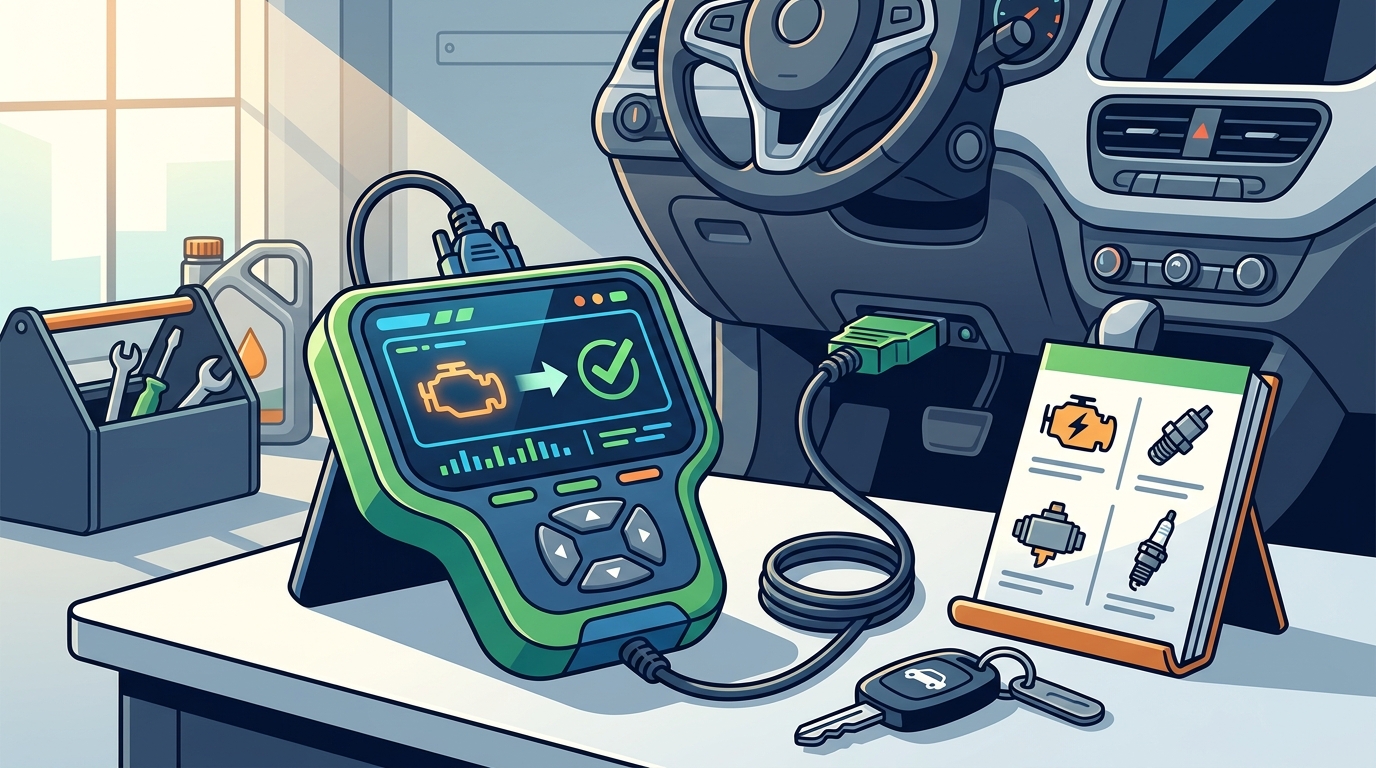
Handheld scanners offer a middle ground between basic Bluetooth dongles and professional-grade equipment. These devices feature their own built-in screens and physical buttons, eliminating the need for a smartphone. They are designed for durability and ease of use in various lighting conditions, such as a dimly lit garage.
These tools are ideal for beginners who want a dedicated device without the hassle of pairing apps. They often include features like freeze frame data, which captures the engine conditions at the exact moment a fault code was triggered. This data is crucial for understanding the context of a problem. For instance, if a code indicates a misfire, the freeze frame data might show that it occurred during high-speed acceleration, helping to narrow down the cause.
Many handheld scanners also support bi-directional controls, allowing users to activate certain vehicle components for testing purposes. This feature can be invaluable for diagnosing issues with cooling fans, fuel pumps, or other active systems. To see how these tools compare to AI-enhanced diagnostics, visit the garage management section of our platform.
Advanced Tools for Growth
As beginners gain confidence, they may find themselves outgrowing basic code readers. Advanced diagnostic tools offer access to manufacturer-specific codes and deeper system controls. These tools often require a subscription or a higher upfront cost but provide a level of detail that generic scanners cannot match.
One significant advancement in this category is the integration of artificial intelligence. Traditional tools provide a code, such as P0420, which indicates catalytic converter efficiency below threshold. However, they do not explain why. AI-powered diagnostics analyze the code against a vast database of verified repairs to suggest the most likely causes. This approach reduces the likelihood of unnecessary part replacements and saves time.
For those interested in the future of automotive diagnostics, the history of diagnostic technology shows a clear shift from mechanical intuition to data-driven decision-making. This evolution has made car maintenance more accessible to the average consumer. By adopting these advanced tools, beginners can transition into competent DIY mechanics with confidence.
Tool Comparison Matrix
The following table summarizes the key differences between the primary categories of diagnostic tools available to beginners. This comparison helps in making an informed decision based on specific needs and budget constraints.
| Tool Type | Connectivity | Depth of Data | Best For | Cost Range |
|---|---|---|---|---|
| Bluetooth Scanner | Smartphone App | Basic OBD2 Codes | Casual users, budget-conscious | $10 - $30 |
| Handheld Scanner | Standalone | Generic + Some Specific | Reliable, no-phone use | $30 - $100 |
| AI Diagnostic Platform | Cloud + App | Verified Repair Data | Accurate diagnosis, learning | Subscription Based |
| Professional Scanner | Wired/Wireless | Full System Access | Advanced DIY, Pros | $200 - $1000+ |
Key Takeaways
- OBD2 Standardization: All cars made after 1996 use the same diagnostic port, ensuring compatibility across brands.
- Mobile Accessibility: Bluetooth scanners provide the lowest barrier to entry, allowing instant access to vehicle data via smartphones.
- AI Integration: Modern tools like AutoUncover use AI to verify codes against real-world repair data, reducing diagnostic errors.
- Freeze Frame Data: Handheld scanners often include freeze frame capabilities, which are critical for diagnosing intermittent faults.
- Cost vs. Depth: Higher-priced tools offer manufacturer-specific codes and bi-directional controls, which are unnecessary for basic maintenance.
- Learning Curve: Beginners should start with basic code readers and gradually move to advanced tools as their knowledge grows.
- Verification is Key: Always verify diagnostic codes with multiple sources or professional data before replacing parts.
Frequently Asked Questions
Do I need a professional scanner to read my check engine light?
No, a basic OBD2 scanner or a Bluetooth dongle is sufficient for reading the generic codes that trigger the check engine light. Professional scanners are only necessary for accessing manufacturer-specific systems like ABS or airbags.
Can I clear my check engine light myself?
Yes, most diagnostic tools allow you to clear codes after you have addressed the underlying issue. However, clearing the light without fixing the problem will cause it to return once the vehicle completes its drive cycle.
What is the difference between OBD2 and OBD1?
OBD1 was a proprietary system used in cars before 1996, with different connectors and protocols for each manufacturer. OBD2 standardized the connector and communication protocol, making diagnostics universal across all brands.
Are Bluetooth scanners accurate?
Bluetooth scanners are generally accurate for reading standard OBD2 codes. However, their accuracy can depend on the quality of the app and the reliability of the Bluetooth connection. For critical diagnostics, cross-reference the data with a trusted source.
How often should I use a diagnostic tool?
You should use a diagnostic tool whenever the check engine light illuminates or if you notice unusual vehicle behavior. Regular checks can help identify minor issues before they become major repairs.
What is freeze frame data?
Freeze frame data is a snapshot of the engine parameters at the moment a fault code was triggered. It helps mechanics understand the conditions under which the problem occurred, such as speed, temperature, and load.
Can I use a diagnostic tool on any car?
You can use an OBD2 scanner on any car manufactured after 1996. For older vehicles, you may need an OBD1 adapter or a specialized tool for that specific make and model.
Start Your Journey
Empowering yourself with the right diagnostic tools is the first step toward becoming a confident car owner. Whether you choose a basic Bluetooth scanner or an advanced AI-powered platform, the goal is to gain clarity and control over your vehicle's health. Avoid the guesswork and the high costs of unnecessary repairs by leveraging verified data. Visit the AutoUncover homepage to explore how our AI-driven diagnostics can transform your maintenance routine. For more detailed guides and resources, check out our help center or manage your vehicle profile in the garage.