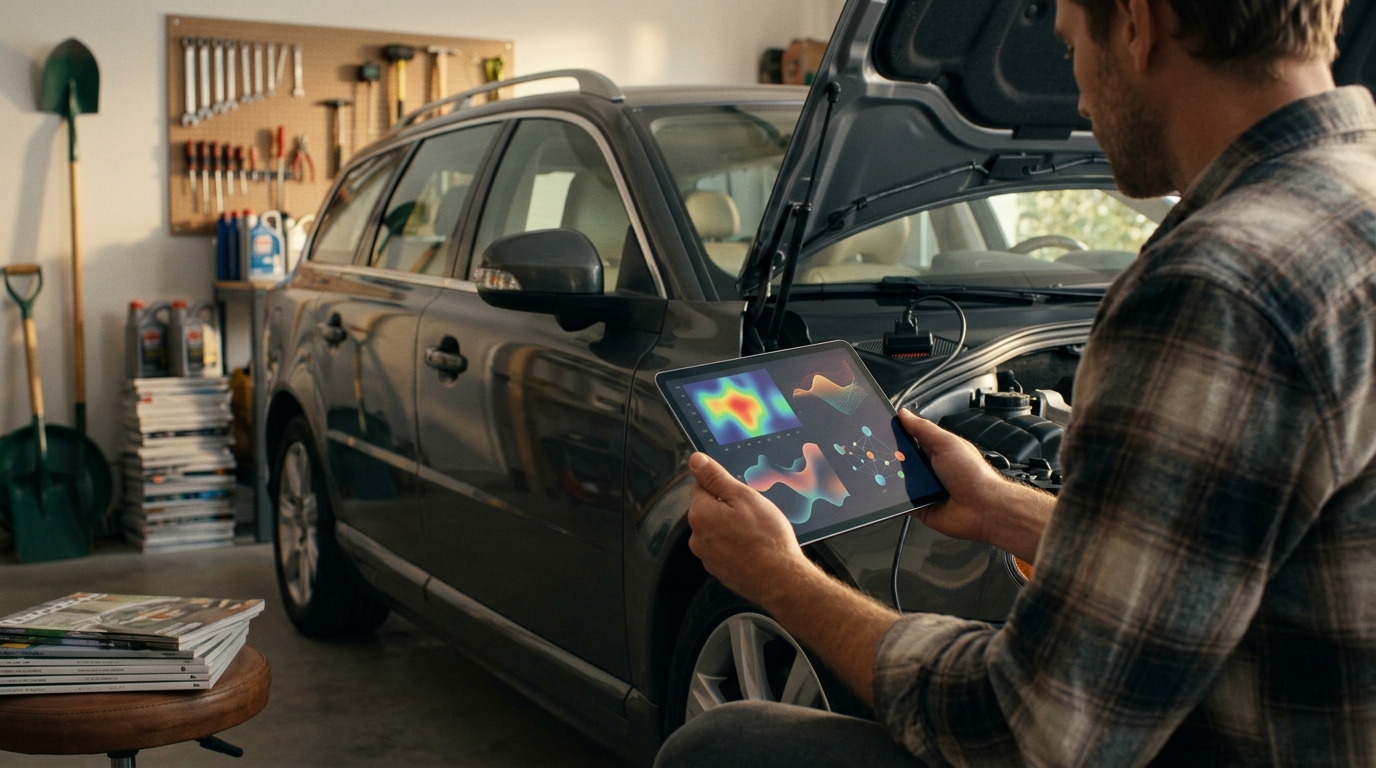
Modern vehicles generate massive amounts of data every time you turn the key. According to recent automotive industry reports, over 80% of early warning signs for major mechanical failures are captured by onboard sensors before they become critical. Ignoring these digital cues often leads to expensive repairs that could have been prevented with early detection. This guide explains how to leverage that data yourself using accessible technology and systematic checks. (AutoUncover AI car diagnostics)
Understanding the OBD2 Port and Its Role
The foundation of modern car diagnosis is the On-Board Diagnostics (OBD) system. OBD2 is a standardized system that monitors vehicle emissions and engine performance. Every car manufactured after 1996 in the United States is required to have this port, typically located under the dashboard near the driver's knees.
This port serves as the gateway to your vehicle's computer. It does not just tell you that something is wrong; it provides specific codes that narrow down the issue significantly. By connecting a scanner to this port, you can access real-time data streams that mechanics rely on during professional inspections. Understanding this interface is the first step toward independent vehicle maintenance.
Essential Tools for Home Diagnostics
You do not need a professional garage to start diagnosing your car. Several tiers of tools are available to consumers, ranging from basic code readers to advanced diagnostic software.
| Tool Type | Cost Range | Best For | Features |
|---|---|---|---|
| Basic OBD2 Scanner | $20 - $50 | Reading Check Engine Lights | Clear codes, basic live data |
| Bluetooth/WiFi Adapter | $30 - $80 | Mobile App Integration | Real-time graphs, history logs |
| Advanced Diagnostic Kit | $150 - $400 | Deep System Analysis | ABS, Airbag, Transmission codes |
| AI Diagnostic Platform | Subscription | Verified Repair Guidance | AI-verified fixes, repair history |
For most homeowners, a Bluetooth adapter paired with a smartphone app offers the best balance of cost and functionality. These devices plug into the OBD2 port and transmit data to your phone. This setup allows you to view live engine parameters, such as fuel trims and oxygen sensor readings, which are crucial for accurate diagnosis.
Step-by-Step Diagnostic Process
Performing a diagnosis requires a methodical approach. Rushing through the steps can lead to misinterpretation of the data. Follow this structured workflow to ensure accuracy.
1. Connect the Scanner
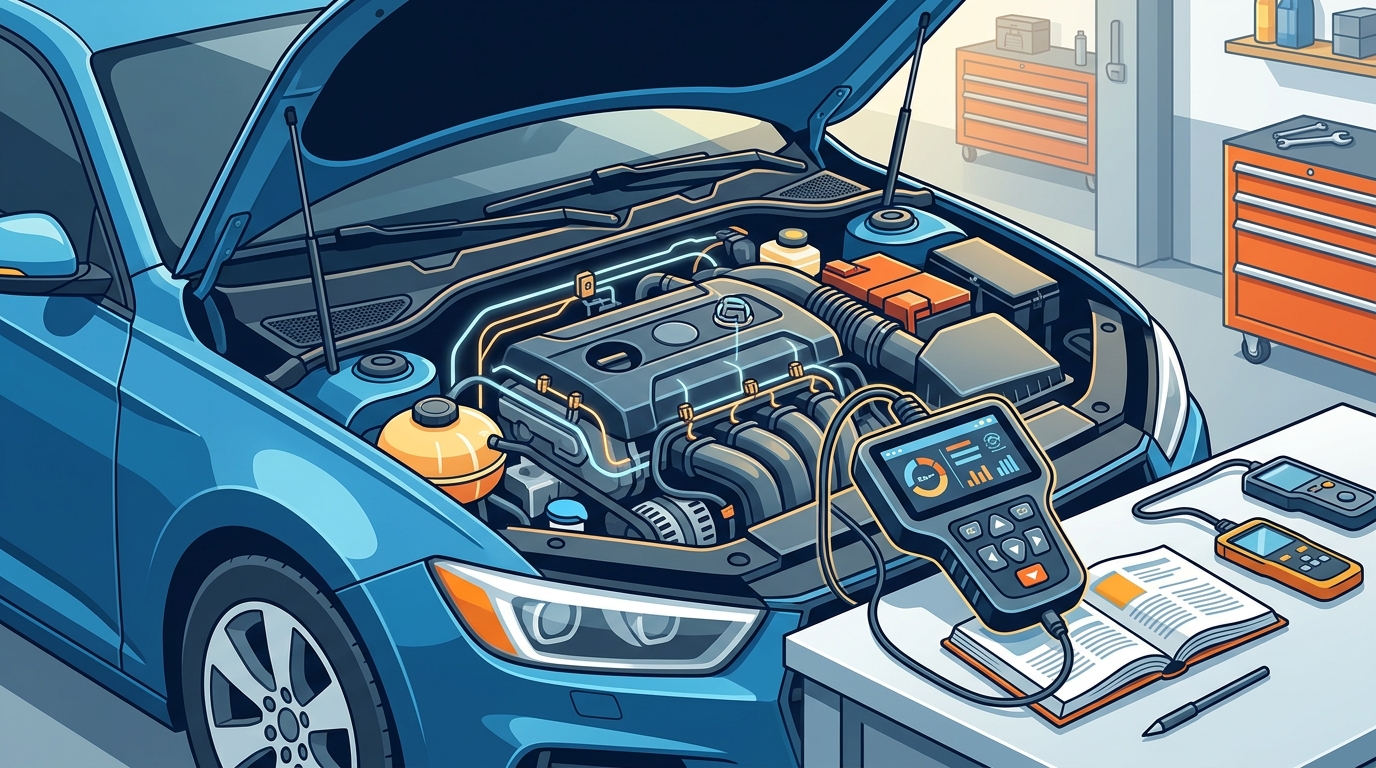
Locate your OBD2 port. Insert the scanner or Bluetooth adapter firmly into the port. Turn your car's ignition to the "On" position without starting the engine. This powers the vehicle's computer systems without engaging the starter motor. Wait for the scanner to establish a connection with the vehicle's Electronic Control Unit (ECU).
2. Retrieve Diagnostic Trouble Codes (DTCs)
Once connected, select the option to read codes. The scanner will display a list of alphanumeric codes, such as P0300 or P0420. Write these down or save them digitally. These codes are the primary indicators of what the car's computer has detected as an anomaly.
3. Check Live Data Streams
Codes tell you where the problem is, but live data tells you what is happening right now. Monitor parameters like engine temperature, idle speed, and fuel pressure. If a code indicates a misfire, watch the cylinder-specific misfire counters in real-time. This dynamic data helps distinguish between a permanent fault and a temporary glitch.
Interpreting Diagnostic Trouble Codes
Understanding the language of your car is critical. DTCs are standardized codes that identify specific system failures. They follow a universal format that begins with a letter indicating the system, followed by numbers.
- P stands for Powertrain (Engine and Transmission).
- B stands for Body (Airbags, Windows, Climate Control).
- C stands for Chassis (Brakes, Steering).
- U stands for Network/Communication.
For example, a code starting with P0420 typically indicates a catalytic converter efficiency issue. However, context matters. A loose gas cap can also trigger a P0440 code related to the evaporative emission system. Always verify the code against your specific vehicle's service manual or a trusted database to avoid unnecessary part replacements.
Physical Inspection Checklist
Digital data is only half the picture. Physical symptoms often corroborate or contradict the electronic codes. Perform these visual and auditory checks to validate your findings.
Fluid Levels are critical indicators of vehicle health. Check your engine oil, coolant, transmission fluid, and brake fluid. Low levels can cause the exact symptoms that trigger diagnostic codes. For instance, low coolant can cause overheating, which might trigger a temperature sensor code.
Listen for unusual noises. Squealing belts, grinding brakes, or knocking engines provide auditory clues that sensors might miss. Look for leaks under the vehicle. Oil, coolant, or transmission fluid on the ground confirms a seal or gasket failure that needs immediate attention.
When to Stop and Call a Pro
DIY diagnosis has limits. While you can identify the problem, you may not have the tools to fix it safely. Stop your self-diagnosis and seek professional help if:
- The Check Engine Light is flashing. This indicates a severe misfire that can damage the catalytic converter instantly.
- You smell burning rubber or plastic. This suggests an electrical short or slipping belt that requires immediate shutdown.
- The vehicle is making loud knocking or grinding noises. These indicate mechanical failure that could lead to total engine or transmission loss.
- You are unsure about the repair procedure. Attempting complex repairs without proper knowledge can void warranties and create safety hazards.
For complex issues, platforms like AutoUncover can help bridge the gap by providing AI-verified diagnostics that confirm your findings before you commit to a repair.
Key Takeaways
- All cars made after 1996 have a standardized OBD2 port for diagnostics.
- Basic Bluetooth scanners cost under $50 and provide essential live data.
- DTC codes start with P, B, C, or U to indicate the system involved.
- Physical inspections of fluids and leaks validate digital code readings.
- Flashing check engine lights require immediate professional attention.
- AI diagnostic tools can verify repairs and reduce mechanic dependency.
- Regular monitoring prevents minor issues from becoming major failures.
Frequently Asked Questions
Can I diagnose my car with just a smartphone?
Yes, if you purchase a Bluetooth OBD2 adapter. These small devices plug into your car's port and connect to free or paid apps on your phone, allowing you to read codes and view live data.
What does a flashing check engine light mean?
A flashing light indicates a severe engine misfire that is actively damaging the catalytic converter. You should reduce speed and seek immediate service to prevent costly repairs.
How accurate are DIY car diagnostic tools?
Modern OBD2 scanners are highly accurate for reading codes. However, they only tell you which sensor is reporting an error, not necessarily which part is broken. Context and physical inspection are required for accuracy.
Can I clear the check engine light myself?
You can clear the light using a scanner, but the code will likely return if the underlying issue is not fixed. Clearing the light erases the history, making future diagnosis harder for mechanics.
What is the difference between a code reader and a scanner?
Code readers typically only display and clear codes. Scanners provide live data streams, bi-directional controls, and access to multiple vehicle systems like ABS and Airbags.
Do I need to buy a specific scanner for my car brand?
Generic OBD2 scanners work for all post-1996 cars for basic engine codes. However, brand-specific scanners may be needed for advanced systems like transmission or airbag diagnostics.
How often should I check my car's diagnostic codes?
Check your codes whenever the check engine light illuminates. For proactive maintenance, scanning your car once a year can help identify pending codes before they trigger a warning light.
Start Your Diagnosis Today
Taking control of your vehicle's health starts with understanding its language. By using the right tools and following a systematic diagnostic process, you can save time and money while ensuring your car runs safely. Don't guess when you can know. Visit AutoUncover Garage to access AI-verified diagnostics and connect with trusted repair networks. Your journey to independent car care begins with a single scan.