
Modern vehicles are essentially computers on wheels, relying on complex networks to manage everything from engine performance to safety systems. According to a 2025 industry report, the global automotive diagnostic equipment market is projected to reach $12.5 billion by 2027, driven by the increasing complexity of onboard systems. For beginners, navigating this landscape can feel overwhelming. The right tool bridges the gap between confusion and clarity, allowing you to understand what your car is telling you without needing a degree in engineering.
Why Modern Diagnostics Matter
Car diagnostics involve reading data from the vehicle's onboard computer systems. This process helps identify issues before they become costly repairs. In the past, diagnosing a car required mechanical intuition and expensive shop equipment. Today, accessible technology has democratized this knowledge. Understanding your vehicle's health is crucial for safety, longevity, and maintaining resale value.
According to data from the National Highway Traffic Safety Administration, regular maintenance based on diagnostic feedback can reduce unexpected breakdowns by up to 30%. This statistic highlights the importance of having the right tools in your garage. Whether you are a DIY enthusiast or a new mechanic, starting with the right equipment sets the foundation for success.
Types of Diagnostic Tools
Before investing in hardware, it is essential to understand the different categories of diagnostic tools available. Each type serves a specific purpose and varies in complexity and cost.
OBD2 Scanners
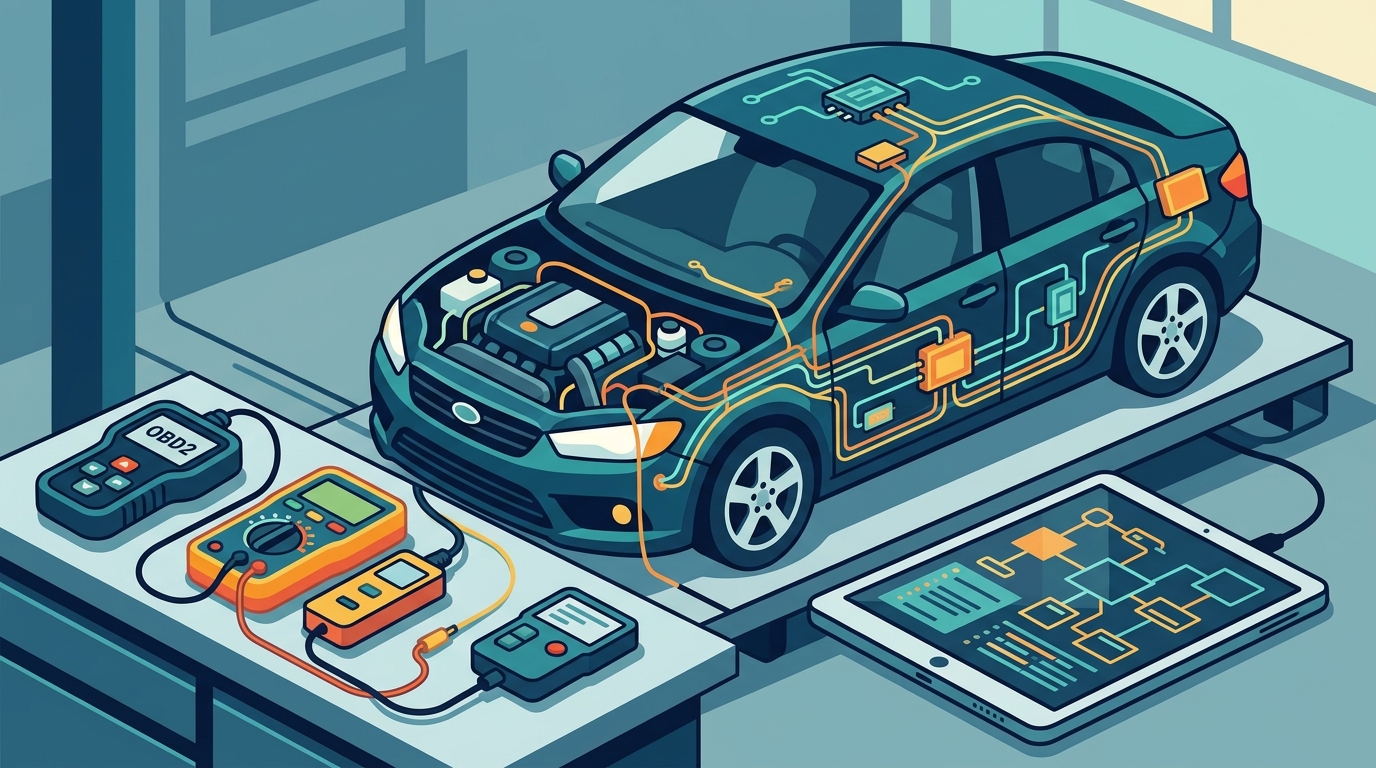
An OBD2 scanner is the most fundamental tool for any beginner. OBD2 stands for On-Board Diagnostics, second generation. This standard has been mandatory for all cars sold in the United States since 1996. These devices plug into the vehicle's OBD2 port, usually located under the dashboard near the steering wheel. They read trouble codes stored in the car's computer, which indicate which system is malfunctioning.
Bi-Directional Scanners
Bi-directional scanners go beyond reading codes. They allow the user to command the vehicle's computer to perform tests. For example, you can activate a fuel pump or cycle a valve to see if it responds correctly. This feature is invaluable for verifying repairs and isolating intermittent issues. While more complex, these tools are becoming more affordable and accessible for serious hobbyists.
Code Readers
Code readers are the entry-level option. They are typically cheaper and simpler than full scanners. Their primary function is to read and clear trouble codes. They do not offer live data streams or bi-directional controls. For a beginner who only wants to know why the check engine light is on, a code reader is a sufficient starting point.
Top Beginner-Friendly Tools
Selecting the right tool depends on your budget and your willingness to learn. Here are three highly recommended options for beginners in 2026.
1. AutoUncover AI Diagnostics
AutoUncover represents the next generation of diagnostic assistance. It combines traditional OBD2 data with artificial intelligence to provide verified repair insights. For beginners, this is invaluable because it translates technical jargon into actionable advice. Instead of just giving you a code like P0300, AutoUncover explains what that code means in plain language and suggests potential causes. This reduces the anxiety of not knowing where to start. You can explore their pricing plans to find a tier that fits your needs.
2. BlueDriver Bluetooth Pro OBDII Scanner
The BlueDriver is a favorite among DIYers for its robust mobile app interface. It connects via Bluetooth to your smartphone or tablet, providing a user-friendly experience. The app includes a library of repair reports that help explain the codes. It also offers live data streaming, allowing you to monitor engine performance in real time. This tool is excellent for those who want a balance of professional features and ease of use.
3. Ancel AD310 Classic
The Ancel AD310 is a wired OBD2 scanner that requires no app or Bluetooth pairing. This simplicity is its strength. It is plug-and-play, making it ideal for those who are not tech-savvy. The device displays codes clearly and offers basic live data. It is affordable and durable, making it a great first purchase for anyone curious about car diagnostics.
Tool Comparison Matrix
The following table summarizes the key features of the recommended tools to help you make an informed decision.
| Tool Name | Connection Type | Key Feature | Best For | Price Range |
|---|---|---|---|---|
| AutoUncover AI | App + OBD2 | AI-Powered Repair Insights | Beginners seeking guided solutions | Subscription |
| BlueDriver | Bluetooth | Live Data & Repair Reports | DIYers wanting professional data | $150 - $200 |
| Ancel AD310 | Wired | Plug-and-Play Simplicity | Basic code reading | $30 - $50 |
| Launch CRP129 | Wired/Bluetooth | Bi-Directional Controls | Advanced DIYers | $200 - $300 |
Key Takeaways
- OBD2 is Standard: All cars sold in the US since 1996 use the OBD2 standard, ensuring compatibility across most vehicles.
- AI Enhances Learning: Tools like AutoUncover use AI to provide verified repair data, reducing guesswork for beginners.
- App vs. Hardware: Bluetooth scanners offer more data but require a smartphone, while wired scanners are simpler but less detailed.
- Clearing Codes is Not a Fix: Clearing a trouble code resets the light but does not repair the underlying issue.
- Live Data is Powerful: Monitoring live data helps you see how the car behaves in real time, which is crucial for diagnosing intermittent problems.
- Start Simple: Begin with a basic code reader or AI-assisted tool before investing in expensive bi-directional scanners.
- Community Support: Joining online forums and using help resources can provide additional context for complex codes.
Frequently Asked Questions
What is the best diagnostic tool for a complete beginner?
For a complete beginner, a tool that combines simplicity with educational support is best. AutoUncover is highly recommended because it uses AI to explain codes and suggest repairs, making the learning curve much gentler than traditional scanners.
Do I need a professional scanner to diagnose my car?
No, you do not need a professional scanner. Modern OBD2 scanners and apps provide enough data for most DIY diagnostics. Professional tools are typically reserved for deep system analysis and bi-directional controls, which are not necessary for basic troubleshooting.
How much does a good diagnostic tool cost?
Diagnostic tools range from $30 for basic code readers to over $1,000 for professional-grade scanners. For beginners, investing between $100 and $200 in a Bluetooth scanner or subscribing to an AI service like AutoUncover offers the best value.
Can I clear the check engine light myself?
Yes, most diagnostic tools allow you to clear trouble codes. However, it is important to address the underlying issue first. Clearing the light without fixing the problem will cause the light to return once the computer detects the fault again.
What does OBD2 stand for?
OBD2 stands for On-Board Diagnostics, second generation. It is a standardized system that allows you to access information about the vehicle's performance and diagnose issues.
Are Bluetooth scanners reliable?
Yes, Bluetooth scanners are reliable and widely used. They connect to your smartphone, providing a convenient interface for viewing data. Ensure you choose a reputable brand to guarantee accurate readings and stable connectivity.
How often should I check my car's codes?
It is good practice to check your car's codes whenever the check engine light illuminates. Additionally, performing a routine scan every six months can help identify pending codes before they become active issues.
Get Started with AutoUncover
Diagnosing your car does not have to be intimidating. By choosing the right tool and leveraging AI-powered insights, you can gain confidence and save money on repairs. AutoUncover is designed to simplify this process for beginners. Visit our garage to set up your profile and start diagnosing today. You can also check our installation guide for easy setup instructions. Take control of your vehicle's health with secure access to verified repair data.