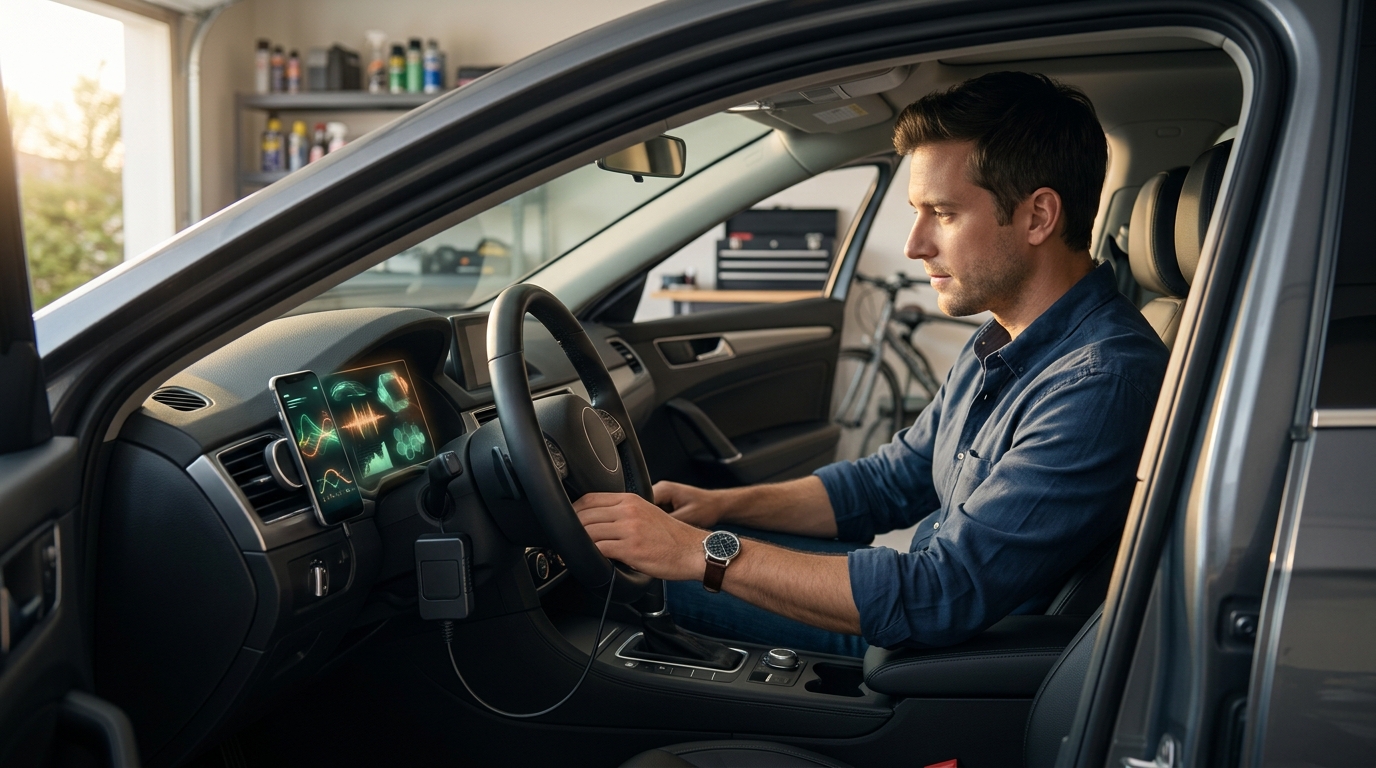
Modern vehicles generate massive amounts of data every time you drive. According to recent automotive industry reports, a single vehicle can produce over 25 gigabytes of data per hour during advanced driving cycles. This data is not just noise. It is a diagnostic map that reveals engine health, transmission efficiency, and electrical integrity. You do not need to visit a service center to access this information. You can perform a comprehensive car diagnosis without going to a mechanic by leveraging onboard diagnostics tools and AI-driven analysis platforms.
Understanding the OBD2 Port and Its Role
The foundation of any DIY car diagnosis is the On-Board Diagnostics (OBD) system. Every car manufactured after 1996 in the United States is required to have an OBD2 port. This standardized interface allows you to communicate directly with the vehicle's computer. The port is typically located under the dashboard on the driver's side. It provides real-time access to sensor data and fault codes.
When a vehicle component fails or operates outside normal parameters, the car's computer triggers a Check Engine Light. This light is not just a warning. It is a signal that specific diagnostic trouble codes (DTCs) have been stored in the system. These codes are the starting point for any accurate diagnosis. Without accessing these codes, you are guessing. With them, you are investigating.
The OBD2 system monitors critical systems including the engine, transmission, and emissions control. It tracks oxygen sensors, catalytic converter efficiency, and ignition coil performance. By reading these codes, you can narrow down the problem from hundreds of possibilities to a specific component. This precision saves time and money. It also prevents unnecessary repairs that often occur when mechanics guess at the root cause.
Choosing the Right Diagnostic Tools
Before you can diagnose your car, you need the right hardware. The market offers several tiers of diagnostic tools. Each serves a different level of user expertise and depth of analysis.
Basic Code Readers
Basic code readers are inexpensive devices that plug into the OBD2 port. They read and clear standard trouble codes. These tools are sufficient for simple issues like a loose gas cap or a faulty oxygen sensor. However, they often lack the depth required for complex electrical or transmission problems. They provide the "what" but rarely the "why."
Advanced Scan Tools
Advanced scan tools offer bi-directional control and live data streaming. They allow you to see real-time sensor values such as fuel trim, coolant temperature, and RPM. This data is crucial for diagnosing intermittent issues. For example, you can watch a sensor value fluctuate while driving to identify a failing component. These tools often require a subscription for full feature access.
AI-Powered Diagnostic Platforms
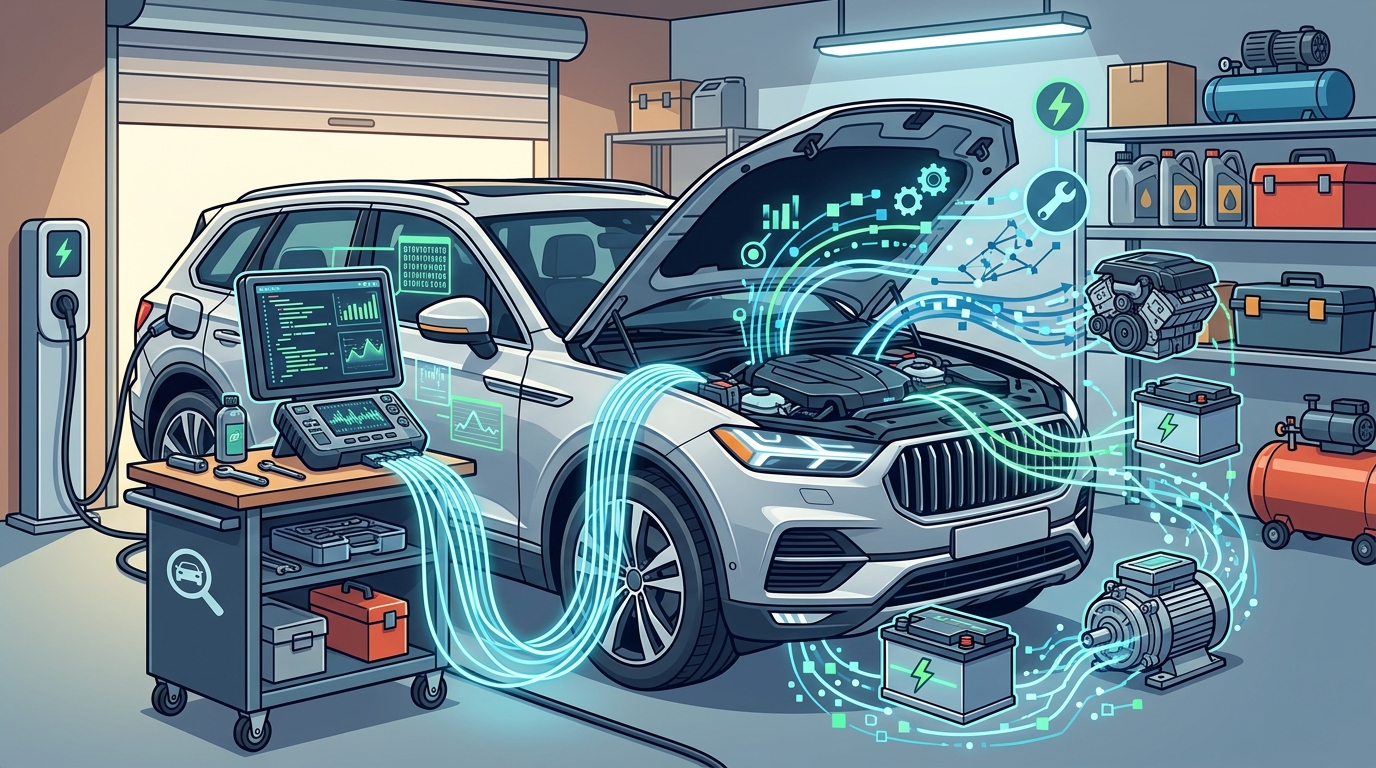
The latest evolution in car diagnosis is AI-powered platforms. These systems combine hardware data with vast databases of repair histories. They do not just read codes. They interpret them in the context of your specific vehicle make and model. This approach reduces false positives and provides actionable repair guidance. Platforms like AutoUncover utilize this technology to verify diagnoses with real repair data.
Leveraging AI for Accurate Readings
Traditional diagnostics rely on static code definitions. A code P0301 means cylinder 1 misfire. But it does not tell you why. The misfire could be caused by a spark plug, a fuel injector, or a compression issue. AI bridges this gap by analyzing patterns across millions of repair records.
When you input your vehicle data and current codes, the AI cross-references this with known failure modes. It calculates the probability of each potential cause. This method is significantly more accurate than relying solely on code definitions. According to automotive technology trends, AI-assisted diagnostics reduce misdiagnosis rates by up to 30 percent. This accuracy is vital for DIYers who lack professional training.
AI platforms also provide step-by-step repair instructions. They guide you through the diagnostic process, telling you which tests to perform next. This turns a complex mechanical problem into a manageable checklist. You can verify your findings before buying parts. This prevents the common pitfall of replacing parts that are not actually broken.
Step-by-Step Diagnosis Process
Performing a car diagnosis without a mechanic requires a systematic approach. Follow these steps to ensure accuracy and safety.
Step 1: Connect Your Device
Locate the OBD2 port under the dashboard. Plug in your diagnostic tool. Ensure the vehicle is in the "on" position but the engine is off. Wait for the device to establish a connection. This may take a few seconds. The device will communicate with the vehicle's computer to retrieve stored data.
Step 2: Retrieve and Record Codes
Read all stored trouble codes. Write them down or save them digitally. Do not clear the codes yet. Clearing them erases the history you need for diagnosis. Note any pending codes that have not yet triggered the Check Engine Light. These can provide early warnings of emerging issues.
Step 3: Analyze the Data
Use your diagnostic tool or AI platform to analyze the codes. Look for live data streams if available. Check for patterns in sensor readings. For example, if the oxygen sensor voltage is static, it may be stuck or faulty. If the fuel trim is excessively high, you may have a vacuum leak. This analysis narrows down the potential causes.
Step 4: Verify with Physical Inspection
Codes point to systems, not always to specific parts. Perform a physical inspection of the suspected components. Check for loose wires, cracked hoses, or worn belts. Use a multimeter to test electrical continuity. This step confirms the digital diagnosis with physical evidence.
Step 5: Execute Repair and Clear Codes
Once you have identified the root cause, perform the necessary repair. After the repair, clear the codes. Drive the vehicle to ensure the Check Engine Light does not return. If the light returns, the issue may not be fully resolved. Revisit your diagnosis.
Decoding Common Error Codes
Understanding common codes is essential for DIY diagnosis. Here is a table of frequent codes and their typical meanings.
| Code | Description | Common Cause | DIY Fixability |
|---|---|---|---|
| P0420 | Catalyst System Efficiency Below Threshold | Failing catalytic converter or oxygen sensor | Moderate |
| P0300 | Random/Multiple Cylinder Misfire Detected | Spark plugs, ignition coils, or fuel injectors | Easy |
| P0171 | System Too Lean (Bank 1) | Vacuum leak or mass airflow sensor issue | Moderate |
| P0442 | Evaporative Emission System Leak Detected | Loose or damaged gas cap | Easy |
| P0455 | Large Evaporative Leak | Cracked EVAP hose or faulty purge valve | Moderate |
These codes are starting points. They require further investigation to confirm the exact part that needs replacement. Using a platform like AutoUncover Garage can help you track these codes over time to identify recurring issues.
Key Takeaways
- All cars manufactured after 1996 have a standardized OBD2 port for diagnostics.
- Basic code readers provide limited data, while advanced tools offer live sensor streaming.
- AI-powered diagnostics reduce misdiagnosis rates by analyzing repair history patterns.
- Always perform a physical inspection after retrieving codes to confirm the root cause.
- Clearing codes before diagnosis erases critical data needed for accurate troubleshooting.
- Common codes like P0300 and P0420 often point to specific, repairable components.
- Platforms like AutoUncover verify diagnoses with real-world repair data.
Frequently Asked Questions
Can I diagnose my car without any tools?
No. You need at least a basic OBD2 code reader to access the vehicle's computer. Without this tool, you cannot retrieve the diagnostic trouble codes that indicate what is wrong.
Is it safe to drive with the Check Engine Light on?
It depends on the severity. A steady light may allow for short-term driving to a safe location. A flashing light indicates a severe misfire that can damage the catalytic converter. You should stop driving immediately if the light is flashing.
How accurate are DIY diagnostic tools?
Basic tools are accurate in reading codes but not in diagnosing the cause. Advanced tools and AI platforms provide higher accuracy by analyzing live data and repair history. The accuracy depends on the depth of the tool's database.
What is the difference between OBD1 and OBD2?
OBD1 was manufacturer-specific with different connectors and protocols. OBD2 is standardized across all manufacturers, using a 16-pin connector and universal code definitions. This standardization makes DIY diagnosis possible for any modern car.
Can I clear the codes myself?
Yes, most diagnostic tools allow you to clear codes. However, you should only clear codes after performing the repair. Clearing them prematurely hides the problem and resets the vehicle's readiness monitors.
How often should I check my car's diagnostics?
You should check your diagnostics whenever the Check Engine Light illuminates. It is also good practice to scan your car annually to check for pending codes or minor issues before they become major problems.
Do I need a subscription for diagnostic tools?
Basic code reading often does not require a subscription. However, advanced features like live data streaming, bi-directional control, and AI analysis often do. Check the pricing details on AutoUncover Pricing for specific plan options.
Get Started with AutoUncover
Stop guessing and start diagnosing. AutoUncover provides the AI-powered tools and verified repair data you need to handle car diagnostics confidently. Visit our Install page to get started. Explore our Help center for detailed guides. Manage your vehicle history on the History page. Adjust your preferences in Settings. Secure your account at Auth. Take control of your car's health today.