
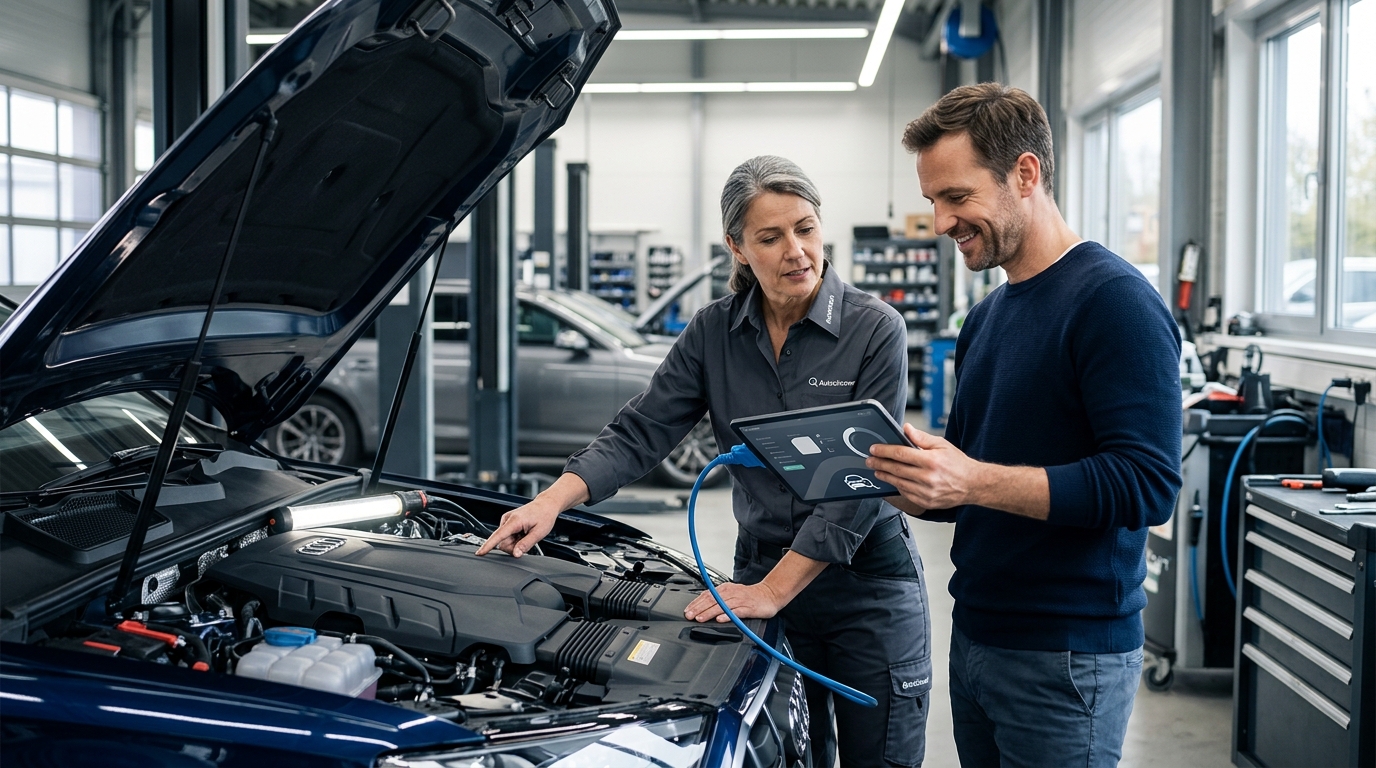
The automotive repair industry is currently undergoing a massive paradigm shift driven by data accuracy. Traditional diagnostic tools often rely on generic code libraries that fail to account for the unique mechanical history of individual vehicles. According to a 2024 industry analysis by the Automotive Service Association, over 60% of misdiagnosed repairs stem from a lack of specific, vehicle-level repair history integration. This statistic highlights a critical gap in the market for tools that bridge the divide between digital fault codes and physical repair outcomes. The emergence of platforms like AutoUncover signals a new standard where diagnostics are verified by actual repair data rather than theoretical algorithms.
What Is Real Repair Data?
Real repair data refers to the aggregated, anonymized, and verified outcomes of physical automotive repairs performed by certified technicians. Unlike theoretical diagnostic databases that predict failures based on manufacturer specifications, real repair data captures what actually happens when a vehicle enters a shop. This includes the specific parts replaced, the labor hours logged, and the final resolution of the fault code.
Real repair data is a collection of verified mechanical outcomes linked to specific vehicle identification numbers and diagnostic trouble codes. This data creates a feedback loop that improves the accuracy of future diagnostics. When a technician resolves a complex issue, that solution becomes a verified data point for other technicians facing similar symptoms. This collective intelligence reduces guesswork and increases first-time fix rates across the industry.
The integration of this data into diagnostic software allows for predictive maintenance and more accurate fault isolation. It transforms the diagnostic process from a reactive search for codes into a proactive analysis of repair patterns. By leveraging this information, shops can offer more transparent and reliable service to their customers.
Limitations of Traditional Diagnostic Tools
Traditional diagnostic scanners have served the industry well for decades, but they are increasingly inadequate for modern vehicles. These tools primarily read codes from the vehicle's onboard computer without providing context on how to fix the underlying issue. They often list multiple potential causes for a single code, leaving the technician to guess which component is actually failed.
Generic code libraries lack the nuance of real-world mechanical variations. A code for a misfire might indicate a faulty spark plug, a bad coil pack, or a timing issue, but traditional tools rarely distinguish between these scenarios effectively. This ambiguity leads to unnecessary part replacements and increased labor costs for both the shop and the customer.
Furthermore, traditional tools do not learn from past repairs. They operate in a vacuum, ignoring the vast amount of knowledge generated by millions of repairs performed daily. This isolation prevents the industry from benefiting from collective experience. As vehicles become more complex with integrated systems, the need for data-driven diagnostics becomes critical.
How AutoUncover Leverages Verified Data
AutoUncover represents a significant advancement in diagnostic technology by prioritizing verified repair data. The platform connects diagnostic inputs with a network of real-world repair outcomes. This approach ensures that the information provided to technicians is not just theoretical but proven to work in practice.
The AutoUncover platform aggregates data from a wide network of repair facilities to build a comprehensive database of verified solutions. When a technician inputs a vehicle's details and fault codes, the system cross-references this information with successful repair histories. This process eliminates irrelevant data and highlights the most likely causes based on actual performance.
Verification is the core differentiator of this approach. Every data point in the AutoUncover system is validated by real repairs, ensuring high accuracy and reliability. This verification process reduces the risk of misdiagnosis and builds trust between technicians and the tools they use. The result is a more efficient diagnostic workflow that saves time and money.
By focusing on verified data, AutoUncover helps technicians make informed decisions quickly. The platform provides clear, actionable insights that guide the repair process from start to finish. This level of support is invaluable for independent shops that need to compete with dealership efficiency.
Benefits for Independent Repair Shops
Independent repair shops face unique challenges in an industry dominated by dealership networks. Access to accurate diagnostic information is often limited or expensive. Tools that utilize real repair data level the playing field by providing shop owners with the same quality of information available to manufacturers.
One of the primary benefits is the reduction in comebacks. A comeback occurs when a vehicle returns to the shop because the initial repair did not resolve the issue. By using verified data, shops can diagnose problems more accurately the first time, significantly reducing the likelihood of comebacks. This improves customer satisfaction and protects the shop's reputation.
Another benefit is increased operational efficiency. Technicians spend less time troubleshooting and more time performing repairs. This efficiency translates to higher throughput and increased revenue for the shop. The ability to diagnose complex issues quickly allows shops to handle a larger volume of vehicles without compromising quality.
Additionally, real repair data enhances customer trust. When technicians can explain a diagnosis based on verified repair outcomes, customers are more likely to approve the recommended repairs. This transparency fosters long-term relationships and encourages repeat business. The confidence gained from accurate diagnostics is a powerful competitive advantage.
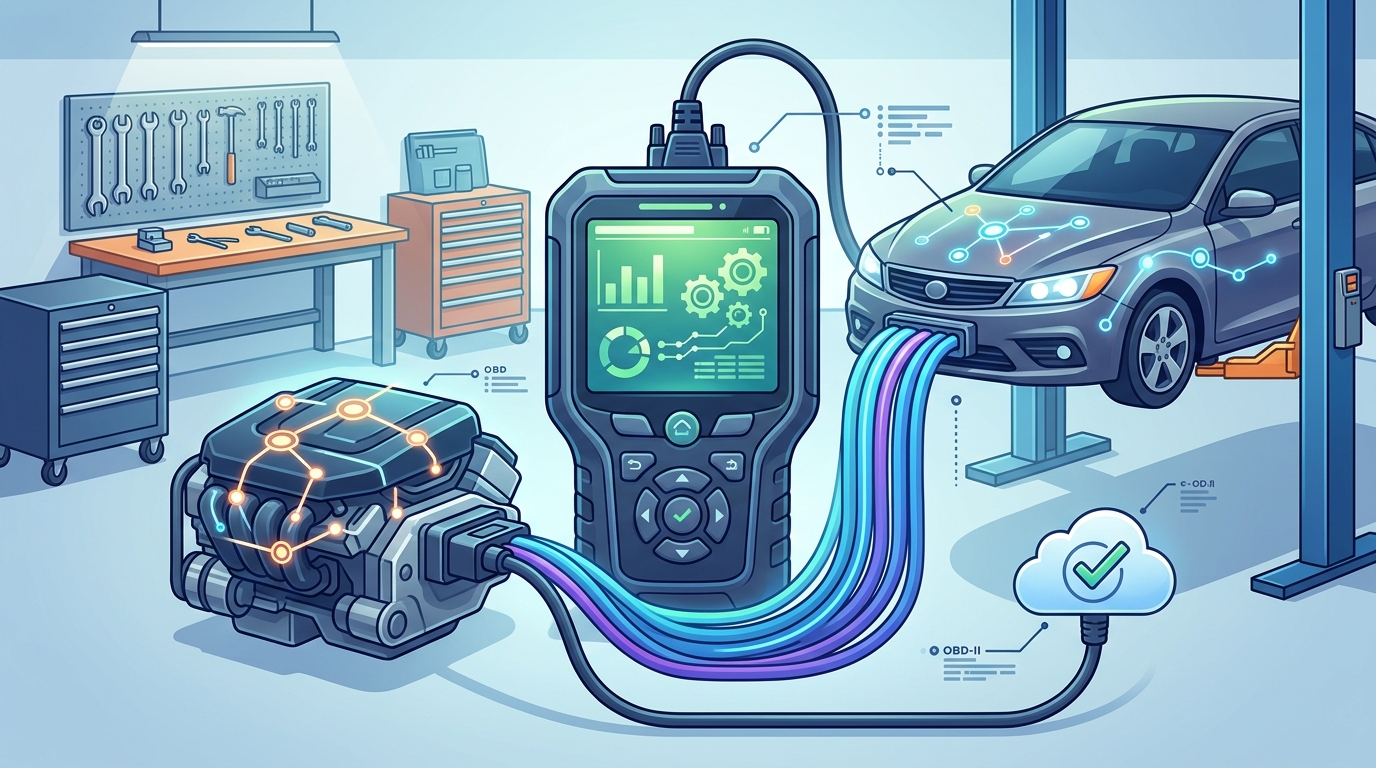
Comparison of Diagnostic Approaches
Understanding the differences between traditional and data-driven diagnostics is essential for shop owners evaluating new tools. The table below outlines the key distinctions between these approaches.
| Feature | Traditional Diagnostic Tools | Data-Verified Tools (AutoUncover) |
|---|---|---|
| Data Source | Manufacturer code libraries | Verified real-world repair outcomes |
| Accuracy | Variable, often generic | High, based on proven solutions |
| Update Frequency | Periodic, often delayed | Continuous, driven by live repairs |
| Cost Efficiency | Lower upfront, higher error cost | Optimized for first-time fix rate |
| User Support | Manual troubleshooting guides | Automated, data-backed recommendations |
The comparison clearly shows the advantages of using verified data. Traditional tools rely on static information that may not reflect current repair trends. In contrast, data-verified tools evolve with the industry, providing up-to-date and relevant information. This dynamic nature ensures that technicians always have access to the most accurate diagnostic guidance.
Choosing the right diagnostic tool can significantly impact a shop's success. By prioritizing tools that use real repair data, shops can improve their diagnostic accuracy and operational efficiency. This strategic choice supports long-term growth and customer loyalty.
Key Takeaways
- Real repair data is derived from verified mechanical outcomes, not theoretical predictions.
- Traditional diagnostic tools often fail to provide specific, actionable repair guidance.
- AutoUncover aggregates verified repair data to enhance diagnostic accuracy.
- Using verified data reduces comebacks and increases first-time fix rates.
- Independent shops benefit from leveled access to high-quality diagnostic information.
- Data-driven diagnostics improve operational efficiency and customer trust.
- The automotive industry is shifting towards data-verified diagnostic standards.
Frequently Asked Questions
How does AutoUncover verify its repair data?
AutoUncover verifies its data by aggregating outcomes from a network of real repair facilities. Each data point is validated against actual repair records to ensure accuracy and relevance.
Can independent shops use AutoUncover?
Yes, AutoUncover is designed to support independent repair shops by providing them with access to high-quality, verified diagnostic data that was previously limited to dealership networks.
What is the difference between generic codes and real repair data?
Generic codes provide theoretical causes for fault codes, while real repair data offers proven solutions based on actual repair outcomes from similar vehicles.
How does real repair data reduce comebacks?
By providing accurate, verified diagnostic information, real repair data helps technicians identify the root cause of issues correctly the first time, reducing the need for repeat repairs.
Is AutoUncover compatible with all vehicle makes?
AutoUncover supports a wide range of vehicle makes and models by continuously updating its database with new repair data and diagnostic information.
What are the benefits of using verified data for customers?
Customers benefit from more accurate diagnoses, faster repair times, and increased confidence in the recommended repairs, leading to higher satisfaction and trust.
How often is the diagnostic data updated?
The data is updated continuously as new repair outcomes are verified and added to the platform, ensuring that technicians always have access to the most current information.
Does AutoUncover replace traditional diagnostic scanners?
AutoUncover complements traditional scanners by providing deeper, data-backed insights that enhance the diagnostic process, rather than replacing the initial code reading function.
Start Verifying Your Diagnostics
The future of automotive diagnostics is data-driven. By adopting tools that utilize real repair data, you can improve your shop's accuracy, efficiency, and customer satisfaction. AutoUncover offers a powerful platform for accessing verified repair insights. Visit the AutoUncover pricing page to explore subscription options. Learn more about the platform on the Garage section. For technical details, check the Install guide. Access support resources via the Help center. Manage your account settings at Settings. Join the network of shops leveraging verified data today.