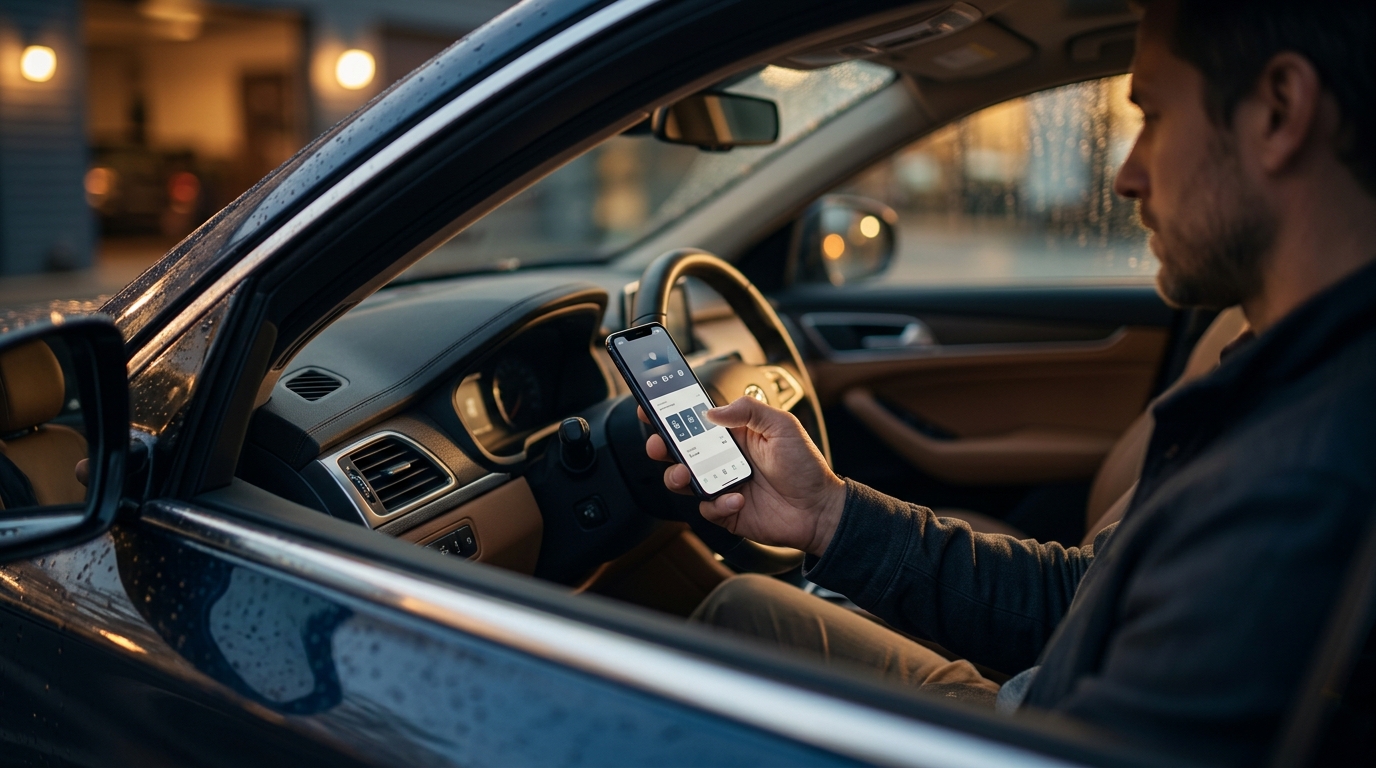
Modern vehicle diagnostics have shifted dramatically from mechanical intuition to digital precision. According to recent industry data, over 60% of modern car issues can be initially identified through onboard computer systems before physical inspection begins. This statistic highlights the critical role of software in automotive troubleshooting. If you are asking, "Is there an app that can diagnose my car based on symptoms?" the answer is yes, but with important technical caveats regarding hardware requirements and data accuracy.
Understanding Symptom-Based Diagnosis
When a vehicle exhibits symptoms such as rough idling, loss of power, or unusual noises, the onboard computer often records these events as Diagnostic Trouble Codes (DTCs). AutoUncover is a platform that bridges the gap between raw data and actionable repair insights. Unlike traditional methods that rely solely on a mechanic's experience, digital tools provide a standardized language for vehicle health.
The concept of symptom-based diagnosis relies on the correlation between physical manifestations and electronic error codes. For instance, a misfire detected by the engine control unit (ECU) may manifest as a shaking sensation in the cabin. Digital diagnostic apps translate these electronic signals into readable formats. This process allows vehicle owners to understand the severity of the issue before visiting a service center.
However, an app alone cannot physically inspect your car. It interprets data sent by the vehicle's sensors. Therefore, the accuracy of the diagnosis depends heavily on the quality of the data transmission. This is where the integration of specialized hardware becomes essential for reliable results.
How Apps Interact With Your Vehicle
Smartphones and tablets lack the physical ports required to communicate directly with a car's internal network. To bridge this gap, you need an OBD2 (On-Board Diagnostics II) adapter. This small device plugs into the port located under your dashboard, typically near the steering column. The adapter then connects to your mobile device via Bluetooth or Wi-Fi.
Once connected, the diagnostic app queries the vehicle's ECU for stored codes and live data streams. Installation of the necessary diagnostic hardware is the first critical step in this process. Without this physical link, the app remains a blank slate with no data to analyze.
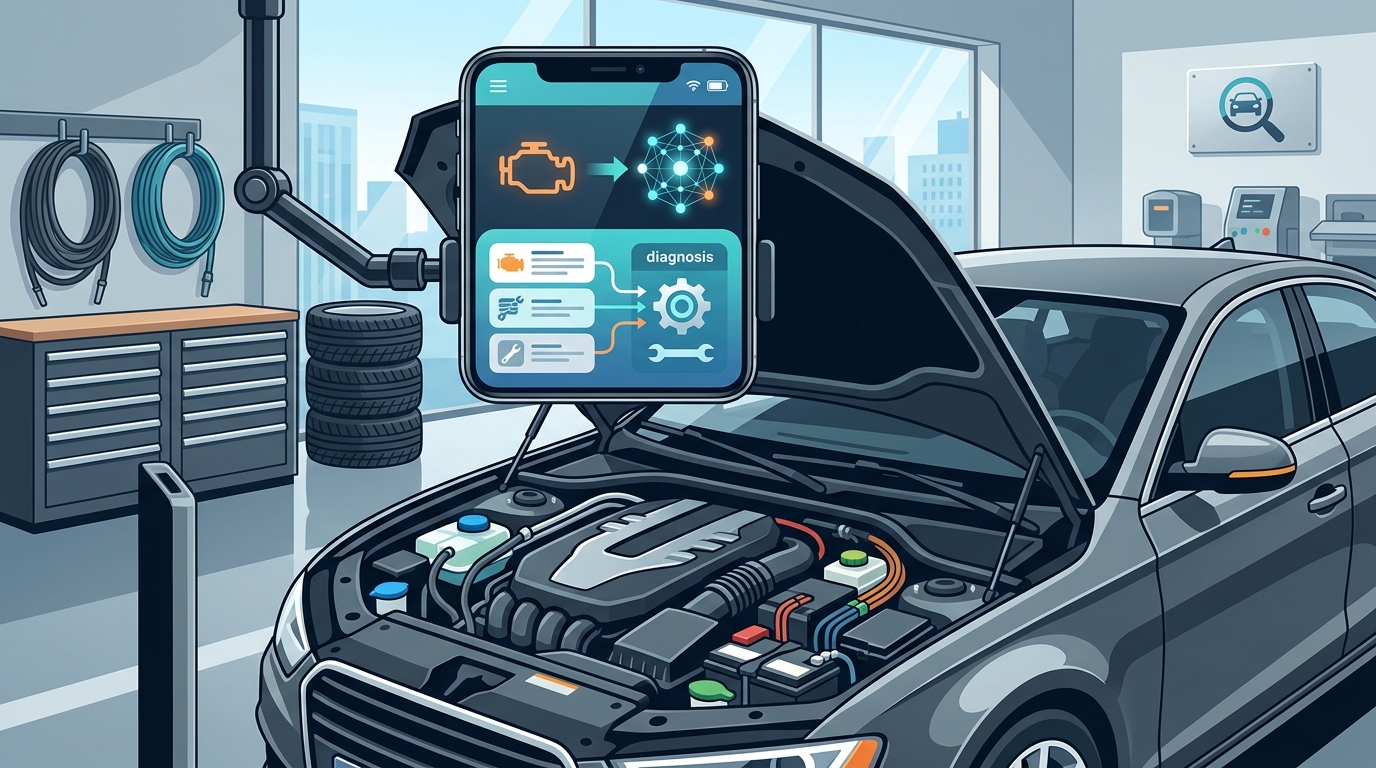
The app then processes this data to identify potential issues. Some advanced platforms, like AutoUncover, go further by using artificial intelligence to verify these codes against real-world repair outcomes. This verification layer ensures that the suggested diagnosis is not just a theoretical possibility but a proven repair path. This approach reduces the risk of misdiagnosis, which is a common cause of unnecessary repair costs.
Top Diagnostic Apps and Tools
Not all diagnostic apps are created equal. Some are designed for casual users, while others cater to professional mechanics. The choice depends on your technical expertise and the depth of information you require. Below is a comparison of the primary approaches to digital car diagnosis.
| Tool Type | Primary Function | Best For | Cost Model |
|---|---|---|---|
| AI-Verified Diagnostic Platforms | Correlates codes with verified repair data | Accurate, actionable repair guidance | Subscription or Pay-per-use |
| Standard OBD2 Scanners | Reads and clears DTCs | Basic code identification | One-time hardware purchase |
| Manufacturer-Specific Apps | Deep system access for specific brands | Brand-specific troubleshooting | High subscription cost |
| General Mechanics Apps | Live data monitoring and graphing | Professional diagnostic analysis | Monthly subscription |
Platforms that utilize AI to verify diagnoses offer a significant advantage. They do not just tell you that a code exists; they tell you how often that code leads to a specific repair. This context is invaluable for decision-making. For example, a code for a faulty oxygen sensor might be caused by a simple wiring issue or a failed sensor. AI-verified tools help distinguish between these scenarios.
For those seeking a comprehensive solution, exploring the garage management features can help track vehicle history over time. This longitudinal data is crucial for identifying recurring issues that might indicate a deeper systemic problem.
Limitations of Software Diagnosis
While digital tools are powerful, they have inherent limitations. An app cannot hear a squealing belt, smell burning fluid, or feel a vibrating steering wheel. These sensory inputs are critical for a complete diagnosis. Therefore, digital tools should be viewed as a diagnostic aid, not a replacement for physical inspection.
Another limitation is the quality of the OBD2 adapter. Cheap adapters may provide inaccurate data or fail to connect reliably. Understanding the pricing structure of diagnostic tools is important, as higher-quality hardware often correlates with better data fidelity. Investing in a reliable adapter ensures that the data you receive is trustworthy.
Furthermore, not all symptoms trigger a DTC. Mechanical failures, such as worn suspension components or brake pad wear, may not be detected by the ECU. In these cases, the app will provide no useful information. This is why a holistic approach, combining digital data with physical inspection, is necessary for accurate diagnosis.
For users who need to understand the technical details of their vehicle's systems, the help resources provide detailed explanations of common codes and their implications. This educational component empowers users to make informed decisions about their vehicle maintenance.
Key Takeaways
- Hardware is Essential: You cannot diagnose a car with an app alone; an OBD2 adapter is required to bridge the connection.
- AI Verification Adds Value: Platforms that verify codes against real repair data reduce the risk of misdiagnosis.
- Symptoms vs. Codes: Apps read electronic codes, not physical symptoms, so sensory inspection remains critical.
- Historical Data Matters: Tracking vehicle history over time helps identify recurring issues and long-term health trends.
- Cost vs. Accuracy: Higher-quality diagnostic tools and adapters generally provide more reliable and detailed data.
- Limitations Exist: Mechanical issues that do not trigger electronic sensors cannot be diagnosed by apps.
- Educational Resources: Access to detailed help and documentation is crucial for interpreting diagnostic data correctly.
Frequently Asked Questions
Can a phone app replace a mechanic?
No, a phone app cannot replace a mechanic. It provides data and insights, but physical inspection and repair require human expertise and specialized tools.
Do I need a special adapter for diagnostic apps?
Yes, you need an OBD2 adapter to connect your phone to the car's computer. This adapter acts as the bridge for data transmission.
How accurate are AI-diagnosed car issues?
AI-diagnosed issues are highly accurate when based on verified repair data. They correlate codes with real-world outcomes, providing a higher level of confidence than standard code readers.
What is the difference between a DTC and a symptom?
A DTC is an electronic error code stored in the car's computer. A symptom is a physical manifestation of the issue, such as a noise or vibration. Apps read DTCs, not symptoms.
Can diagnostic apps clear check engine lights?
Yes, most diagnostic apps can clear check engine lights after the issue has been addressed. However, clearing the light without fixing the problem will cause it to return.
Is AutoUncover suitable for beginners?
Yes, AutoUncover is designed to be user-friendly. It provides clear explanations and verified repair paths, making it accessible for those without extensive automotive knowledge.
How often should I check my car's diagnostic codes?
It is recommended to check codes whenever the check engine light illuminates or if you notice unusual driving behavior. Regular checks can help catch issues early.
Start Diagnosing Your Vehicle Today
Stop guessing and start knowing. With the right tools and data, you can take control of your vehicle's health. Create your account now to access verified diagnostics and expert repair guidance. Visit our settings page to customize your diagnostic experience and ensure you get the most accurate results for your specific vehicle.