
Modern vehicles generate massive amounts of data every time you turn the key. According to recent automotive industry reports, the average connected car produces over 25 gigabytes of diagnostic data per hour. This wealth of information means you no longer need to rely solely on expensive shop visits for basic health checks. By leveraging onboard diagnostics and modern smartphone technology, you can identify issues early, save money, and understand your vehicle better.
Understanding the OBD2 Port
The foundation of modern car diagnosis is the On-Board Diagnostics II (OBD2) system. Every car manufactured after 1996 in the United States is required to have this standardized port. It serves as a direct communication line between your vehicle's engine control unit and external diagnostic tools.
Locating this port is the first step in your DIY journey. It is typically found under the dashboard on the driver's side, near the steering column. Once located, you can plug in various devices to read error codes. These codes provide specific insights into which system is malfunctioning, whether it is the engine, transmission, or emissions system.
For those who want a seamless digital experience, platforms like AutoUncover bridge the gap between physical hardware and digital analysis. By connecting your vehicle to their ecosystem, you gain access to verified diagnostic data without the immediate need for a physical garage visit.
Smartphone-Based Diagnostic Tools
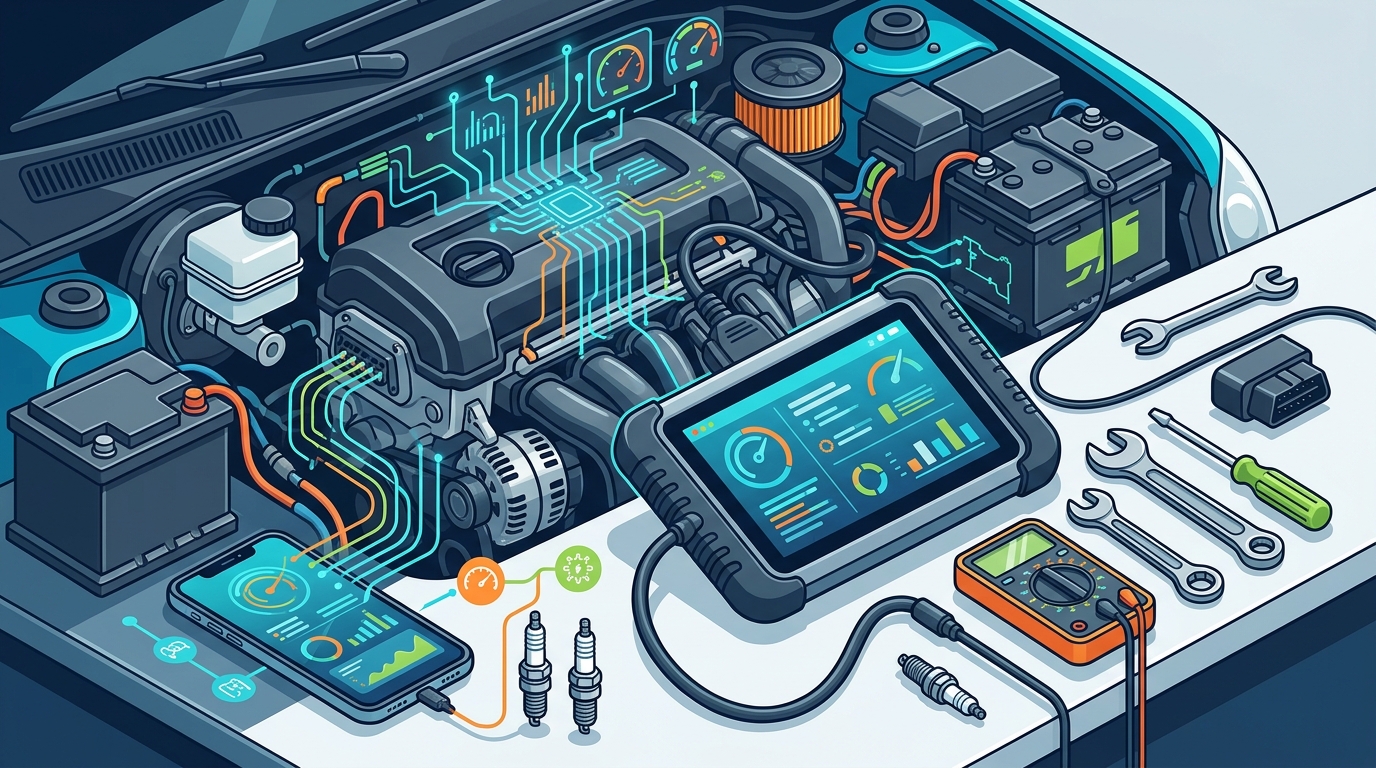
You do not need expensive professional equipment to start diagnosing your car. Bluetooth OBD2 scanners have revolutionized the industry by allowing drivers to connect directly to their smartphones. These small, affordable devices plug into the OBD2 port and transmit data to an app on your phone.
Popular apps include Torque, Car Scanner, and OBDLink. These applications display real-time data such as engine temperature, RPM, and fuel pressure. They also read and clear Check Engine Light codes. This method is particularly useful for monitoring intermittent issues that might not trigger a permanent fault code.
According to automotive technology trends, the adoption of Bluetooth diagnostic tools has grown significantly among DIY enthusiasts. This growth is driven by the need for transparency in repair costs and the desire to verify mechanic recommendations. By using these tools, you can create a Garage profile to track your vehicle's history over time.
AI-Powered Diagnostic Apps
Artificial Intelligence is changing how we interpret automotive data. Traditional scanners provide raw codes, but they often lack context. AI-powered applications analyze these codes against vast databases of repair histories and technical service bulletins to provide actionable insights.
AutoUncover utilizes advanced AI to verify diagnostics through real repairs. This means the system does not just tell you what is wrong; it helps confirm the accuracy of the diagnosis by cross-referencing it with verified repair outcomes. This reduces the risk of misdiagnosis, which is a common problem in traditional repair shops.
When you use an AI-driven platform, you are essentially getting a second opinion before you spend a dime. The system can suggest whether a part needs immediate replacement or if it can be monitored. This approach saves time and prevents unnecessary repairs. You can manage your vehicle's status through the Settings panel to customize alerts and notifications.
Visual and Physical Inspection
While digital tools are powerful, they cannot replace the value of a physical inspection. Many car issues manifest visually before they trigger a diagnostic code. Regular visual checks can save you from being stranded on the road.
Start by checking your fluid levels. Oil, coolant, brake fluid, and transmission fluid are critical indicators of your car's health. Low fluid levels can cause severe damage if ignored. Look for leaks under your car or unusual puddles in your driveway. These are often the first signs of a failing gasket or seal.
Inspect your tires for uneven wear, which can indicate alignment issues or suspension problems. Check your belts and hoses for cracks or fraying. These components are subject to wear and tear over time. If you notice any physical damage, it is wise to consult the Help section of your diagnostic app for guidance on next steps.
Interpreting Diagnostic Trouble Codes
When your Check Engine Light comes on, it displays a code such as P0300 or P0420. Understanding these codes is crucial for effective diagnosis. The first letter indicates the system, while the remaining numbers specify the issue.
For example, P-codes are related to the powertrain. A P0300 code indicates a random misfire detected in the engine. This could be caused by faulty spark plugs, ignition coils, or fuel injectors. However, the code alone does not tell you which component is at fault. This is where AI verification becomes valuable.
According to automotive repair statistics, misdiagnosis rates can reach up to 30% in some independent shops. By using a verified diagnostic platform, you can reduce this risk. You can review your vehicle's History to see if similar issues have occurred before. This historical context helps in making informed decisions about repairs.
It is important to note that not all codes require immediate attention. Some are pending codes that may clear themselves. Others indicate minor issues that do not affect drivability. Always prioritize codes that affect safety, such as those related to braking or airbags.
Key Takeaways
- OBD2 Standardization: All cars made after 1996 have a standardized diagnostic port, making DIY diagnosis possible for any vehicle owner.
- Cost Savings: Using smartphone apps and Bluetooth scanners can save hundreds of dollars in diagnostic fees charged by repair shops.
- AI Verification: Platforms like AutoUncover use AI to verify diagnoses against real repair data, reducing the chance of incorrect repairs.
- Visual Checks: Regular inspection of fluids, tires, and belts can catch issues before they trigger electronic fault codes.
- Code Interpretation: Understanding the structure of diagnostic codes helps you communicate effectively with mechanics or decide on DIY fixes.
- Historical Data: Tracking your vehicle's history helps identify recurring issues and plan for long-term maintenance costs.
- Immediate Action: Always address safety-related codes immediately, while non-critical codes can be monitored over time.
Frequently Asked Questions
Can I diagnose my car without any tools?
Yes, you can perform basic visual inspections and listen for unusual noises. However, for accurate electronic diagnosis, you need at least a Bluetooth OBD2 scanner and a smartphone app.
How accurate are smartphone diagnostic apps?
Smartphone apps are highly accurate for reading standard OBD2 codes. However, they may not provide deep analysis for manufacturer-specific issues. AI-powered platforms enhance this accuracy by cross-referencing data with verified repair outcomes.
What does the Check Engine Light mean?
The Check Engine Light indicates a problem with the engine or emissions system. It requires a diagnostic scan to identify the specific fault code. Ignoring it can lead to reduced fuel efficiency and potential engine damage.
Do I need to go to a mechanic for every issue?
No, many issues can be diagnosed and even fixed by DIYers. Simple tasks like replacing air filters, spark plugs, and wiper blades do not require professional help. Complex electrical or transmission issues may still need a mechanic.
How often should I check my car's diagnostics?
It is recommended to check your car's diagnostics whenever the Check Engine Light comes on. For proactive maintenance, scanning your car once a month can help identify pending issues before they become serious.
What is the difference between OBD2 and AI diagnostics?
OBD2 provides raw data and codes from the vehicle's computer. AI diagnostics analyze this data using machine learning to provide context, verification, and repair recommendations based on real-world data.
Can I clear the Check Engine Light myself?
Yes, most OBD2 scanners allow you to clear codes. However, this only turns off the light; it does not fix the underlying problem. The light will likely return if the issue is not resolved.
Start Diagnosing Your Car Today
Taking control of your vehicle's health is easier than ever. By combining simple visual inspections with advanced AI-powered diagnostics, you can save money and avoid unnecessary repairs. Visit AutoUncover to get started with verified AI car diagnostics. Connect your vehicle, analyze your data, and drive with confidence.