
Modern vehicle diagnostics have shifted dramatically from heavy, dealer-only hardware to accessible smartphone applications. According to recent industry data, the global automotive diagnostic software market is projected to grow significantly through 2026, driven by the increasing complexity of onboard computer systems. This growth highlights a critical need for vehicle owners to understand which tools provide genuine value versus those that offer superficial data. Navigating this landscape requires distinguishing between basic code readers and comprehensive diagnostic ecosystems that integrate real-world repair verification.
Understanding Diagnostic Layers
To evaluate any application, you must first understand what it is accessing. On-Board Diagnostics (OBD) is a standardized system in vehicles that monitors engine performance and emissions. When a problem occurs, the vehicle's computer stores a Diagnostic Trouble Code (DTC). Free apps typically only read these generic codes, which tell you what is wrong but rarely why.
Advanced diagnostic platforms go further. They analyze live data streams, monitor sensor health, and cross-reference codes with known repair patterns. This depth of analysis is where the distinction between a "toy" app and a professional tool becomes clear. Without this depth, users often replace parts unnecessarily, leading to higher costs and wasted time.
The Free Apps Reality Check
Many users start with free applications because the barrier to entry is zero. However, the limitations are often more restrictive than anticipated. Free apps generally rely on basic Bluetooth OBD2 adapters, which can suffer from connection instability and limited data refresh rates.
Limited Code Libraries
Free applications often provide generic definitions for trouble codes. For example, a code like P0300 indicates a random misfire, but it does not specify if the issue is a faulty spark plug, a clogged fuel injector, or a failing ignition coil. Without access to manufacturer-specific data, the user is left guessing. This ambiguity is the primary reason free apps fail to deliver actionable insights.
Data Refresh and Latency
Real-time monitoring is crucial for diagnosing intermittent issues. Free apps often struggle with data latency, causing delays in sensor readings. This lag makes it nearly impossible to capture transient faults that occur during acceleration or idling. Consequently, the data collected may not reflect the actual state of the vehicle under load.
Affordable Premium Tools
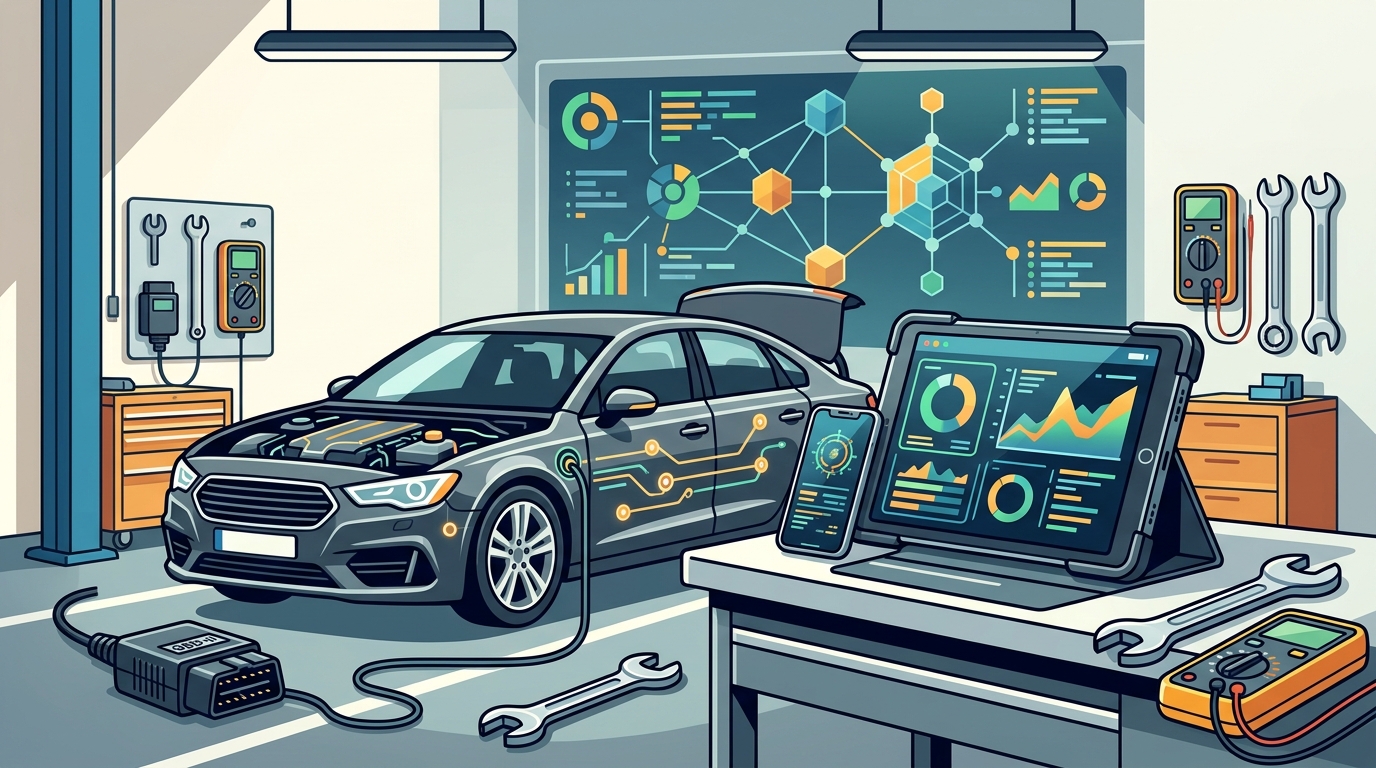
Affordable diagnostic tools bridge the gap between basic code reading and professional dealership equipment. These tools often require a subscription or a one-time purchase that unlocks advanced features. The value proposition here lies in accuracy, depth, and community support.
Verified Repair Data
The most significant advantage of premium tools is access to verified repair data. Platforms like AutoUncover utilize AI to cross-reference diagnostic codes with real-world repair outcomes. This means the app does not just tell you the code; it tells you what other mechanics have successfully fixed for that specific code on that specific vehicle model. This reduces diagnostic uncertainty and prevents costly trial-and-error repairs.
Live Data Streaming
Premium applications offer high-frequency data streaming, allowing users to monitor parameters like fuel trims, oxygen sensor voltages, and engine RPM in real-time. This capability is essential for diagnosing complex issues that do not trigger a permanent trouble code but affect performance. The ability to graph these parameters helps users identify patterns that static code readers miss.
Hardware Compatibility
Affordable tools often support a wider range of OBD2 adapters, including high-performance Bluetooth and Wi-Fi devices. This compatibility ensures stable connections and faster data transfer rates. Some premium apps even offer proprietary hardware that plugs directly into the OBD2 port, providing more reliable power and data integrity than generic adapters.
Comparison of Diagnostic Options
The following table summarizes the key differences between free, affordable, and professional diagnostic approaches. This comparison helps users make an informed decision based on their technical skill level and budget.
| Feature | Free Apps | Affordable Premium Tools | Professional Dealership Tools |
|---|---|---|---|
| Code Reading | Generic DTCs only | Generic + Manufacturer-specific | Full System Coverage |
| Repair Guidance | None or basic | AI-verified repair data | Official service bulletins |
| Live Data | Limited refresh rate | High-frequency streaming | Real-time advanced analytics |
| Cost | $0 | $10-$50/month or one-time | $1,000+ hardware + subscription |
| Best For | Basic code clearing | DIY enthusiasts and pros | Dealerships and shops |
For most vehicle owners, affordable premium tools offer the best balance of cost and capability. They provide the depth needed for accurate diagnosis without the prohibitive cost of professional equipment. Users can access detailed guides and verified repair data through platforms like AutoUncover Garage, which streamlines the diagnostic process.
Key Takeaways
- Free apps are limited: They typically only read generic codes and lack the depth needed for accurate diagnosis.
- Premium tools add value: Affordable subscriptions provide manufacturer-specific data and verified repair patterns.
- AI verification matters: Platforms that cross-reference codes with real-world repairs reduce diagnostic uncertainty.
- Hardware compatibility is key: Ensure your app supports high-performance OBD2 adapters for stable data streaming.
- Live data is essential: Real-time monitoring helps identify intermittent faults that static code readers miss.
- Cost vs. Benefit: The cost of a premium tool is often less than one incorrect part replacement.
- Community support: Premium tools often include access to expert communities and detailed repair guides.
Frequently Asked Questions
Can I use a free app to diagnose my car?
Yes, you can use a free app to read basic trouble codes. However, these apps often lack the depth and accuracy needed for complex diagnostics. They may provide generic code definitions that do not help you identify the root cause of the problem.
What is the best affordable car diagnostic app?
The best affordable app depends on your vehicle make and model. Tools that offer manufacturer-specific data and verified repair guidance, such as AutoUncover, are generally superior to generic code readers. Look for apps that provide live data streaming and high-frequency updates.
Do I need a special adapter for diagnostic apps?
Yes, you need an OBD2 adapter to connect your smartphone to your vehicle's diagnostic port. Most affordable apps support standard Bluetooth or Wi-Fi adapters. However, high-performance adapters often provide more stable connections and faster data transfer rates.
How accurate are car diagnostic apps?
The accuracy of a diagnostic app depends on the data it accesses. Free apps are limited to generic codes, which are standardized across all vehicles. Premium apps can access manufacturer-specific data, which is more accurate and detailed. The accuracy of the diagnosis also depends on the quality of the adapter and the stability of the connection.
Can diagnostic apps clear my check engine light?
Yes, most diagnostic apps can clear trouble codes and turn off the check engine light. However, this does not fix the underlying problem. If the issue is not resolved, the light will likely return after a few drive cycles. It is important to diagnose and fix the problem before clearing the codes.
Are car diagnostic apps worth the money?
For DIY enthusiasts and professional mechanics, affordable diagnostic apps are often worth the investment. They provide access to detailed repair data and live monitoring capabilities that can save time and money on repairs. The cost of a premium app is typically less than the cost of one incorrect part replacement.
What is AutoUncover?
AutoUncover is an AI-powered car diagnostic platform that verifies diagnoses with real repairs. It helps users understand their vehicle's issues by cross-referencing diagnostic codes with verified repair outcomes, providing a more accurate and actionable diagnostic experience.
Start Diagnosing with Confidence
Stop guessing and start fixing. Upgrade your diagnostic capabilities with tools that provide verified, actionable insights. Visit AutoUncover to explore how AI-driven diagnostics can transform your vehicle maintenance routine. Book a demo or explore our pricing plans to find the perfect solution for your needs.