Modern vehicles are essentially computers on wheels, generating terabytes of data with every mile driven. According to a 2025 industry report, over 40% of vehicle breakdowns stem from minor sensor failures that could have been caught early with proper diagnostic equipment. For beginners, navigating the vast market of OBD2 scanners can feel overwhelming. This guide breaks down the essential tools, setup processes, and strategic approaches to help you diagnose issues confidently and accurately.
Understanding OBD2 Basics
Before investing in hardware, it is crucial to understand the standard interface used in all vehicles manufactured after 1996. The On-Board Diagnostics II (OBD2) system is a standardized protocol that allows external devices to communicate with a car's engine control unit (ECU). OBD2 is the universal language of modern automotive repair.
This system monitors emissions, engine performance, and transmission health. When a problem occurs, the ECU stores a Diagnostic Trouble Code (DTC). These codes are not just random numbers; they follow a specific structure that indicates which system is affected and the nature of the fault. For beginners, learning to read these codes is the first step toward automotive independence.
Many modern vehicles also support enhanced protocols that allow access to body, chassis, and network systems beyond just the engine. Understanding the difference between generic P-codes (powertrain) and manufacturer-specific codes is vital for accurate diagnosis. Without this foundational knowledge, even the most expensive scanner will only provide limited value.
Choosing the Right Tool Category
The market offers several tiers of diagnostic tools, each serving a different level of user expertise and budget. Selecting the right category depends on your goals, whether you are a DIY enthusiast or a professional technician.
Basic Code Readers
Basic code readers are the entry point for most beginners. These devices are inexpensive, often costing under $30, and are designed primarily to read and clear standard engine codes. They provide little to no live data streaming capabilities. While they are useful for checking if the check engine light is a false alarm, they lack the depth required for complex diagnostics. They are best suited for occasional users who need to reset a light after a simple repair.
Advanced OBD2 Scanners
Advanced scanners bridge the gap between basic readers and professional equipment. They offer live data streaming, allowing you to monitor parameters like engine temperature, RPM, and sensor voltages in real time. This capability is critical for diagnosing intermittent issues that do not always trigger a stored code. These tools often include freeze frame data, which captures the engine conditions at the moment a fault was detected.
AI-Powered Diagnostic Platforms
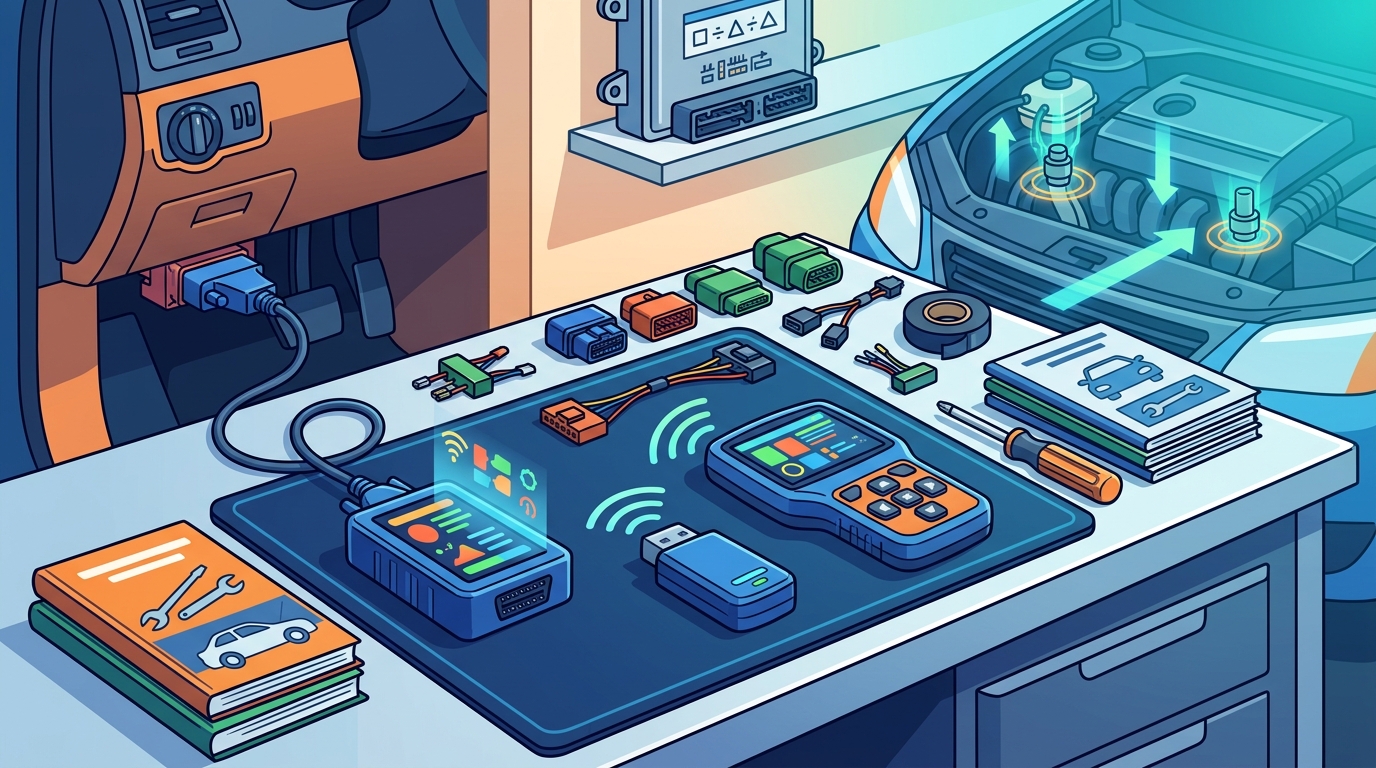
Emerging technologies have introduced AI-powered diagnostic platforms that verify codes against real-world repair data. These platforms analyze the DTC and cross-reference it with millions of repair records to suggest the most likely causes. AI diagnostics reduce guesswork by providing verified repair pathways. This approach is particularly valuable for beginners who may not have the experience to interpret raw data accurately.
Setup and Configuration
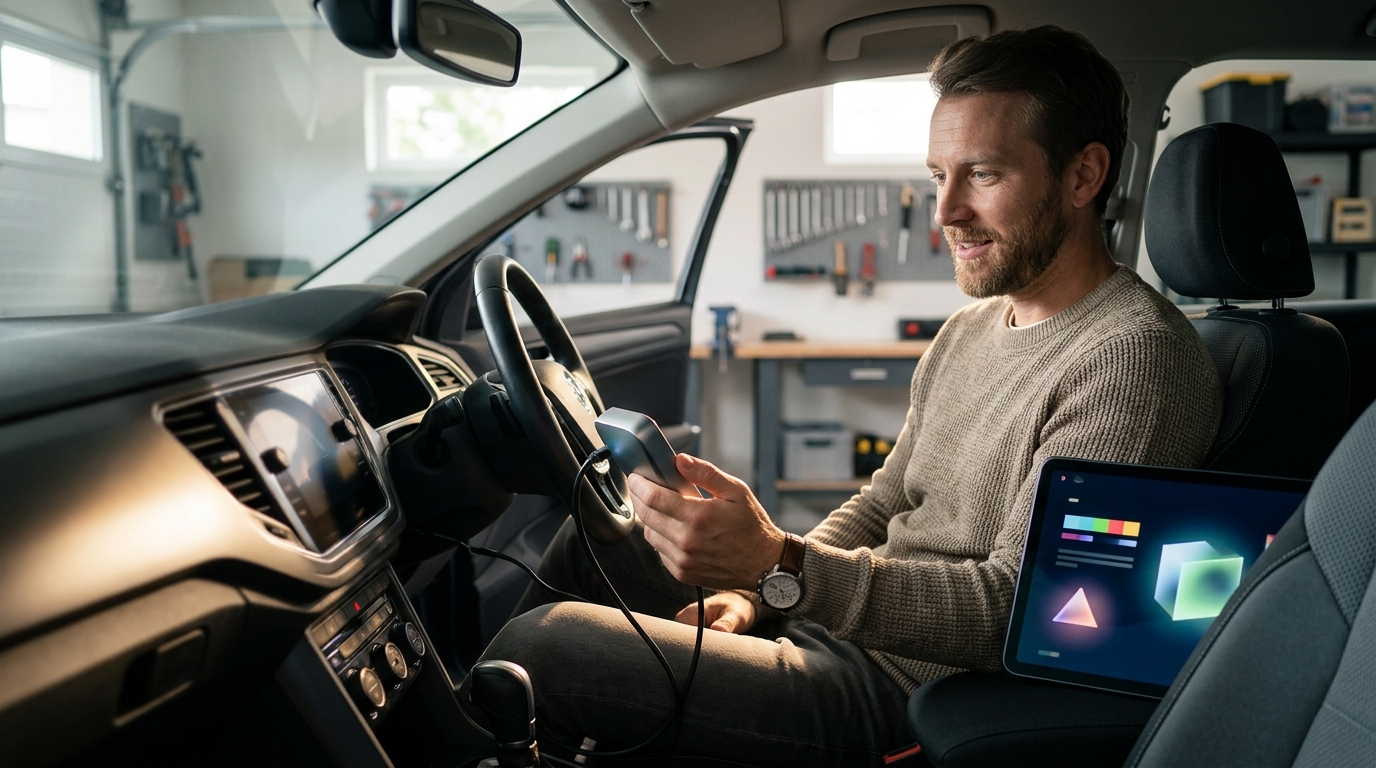
Proper setup is essential for accurate readings and a seamless user experience. Most modern diagnostic tools connect via Bluetooth or Wi-Fi to a smartphone or tablet application. This wireless connectivity allows for a more flexible workspace compared to traditional wired scanners.
When connecting your device, ensure that the vehicle's ignition is in the accessory or on position before powering on the scanner. This prevents communication errors and ensures the ECU is ready to transmit data. Follow the manufacturer's instructions for pairing the device with your mobile application. Installation guides typically provide step-by-step instructions for this process.
Regular software updates are crucial for maintaining compatibility with newer vehicle models. Manufacturers frequently release updates to add support for new protocols and fix known bugs. Enabling automatic updates ensures that your tool remains current without requiring manual intervention. You can manage these settings within the application settings menu.
Interpreting Diagnostic Data
Reading a code is only the first step. Understanding what the code means requires context. Live data streaming allows you to see how the vehicle is performing in real time. For example, if a code indicates a misfire, you can monitor the fuel trim and oxygen sensor readings to determine if the issue is fuel-related or mechanical.
Freeze frame data is another critical feature. It captures a snapshot of the engine parameters at the exact moment the fault occurred. This information can help you replicate the conditions that led to the problem. For instance, if a code appears only at high speeds, the freeze frame data will show the RPM and vehicle speed at that time.
Using a platform like AutoUncover Garage can simplify this process by providing verified repair suggestions based on the specific code and vehicle model. This reduces the risk of misdiagnosis and unnecessary part replacements. Always verify the suggested repairs with a trusted mechanic if you are unsure about the procedure.
Tool Comparison Overview
The following table compares the key features of different diagnostic tool categories to help you make an informed decision.
| Feature | Basic Code Reader | Advanced Scanner | AI-Powered Platform |
|---|---|---|---|
| Read/Clear Codes | Yes | Yes | Yes |
| Live Data Streaming | No | Yes | Yes |
| Freeze Frame Data | Limited | Yes | Yes |
| AI Repair Verification | No | No | Yes |
| Mobile App Integration | Optional | Yes | Yes |
| Price Range | $10 - $30 | $50 - $200 | Subscription Based |
Key Takeaways
- OBD2 Standardization: All vehicles post-1996 use the OBD2 standard, ensuring compatibility across most diagnostic tools.
- Tool Selection: Basic readers are sufficient for simple code clearing, while advanced scanners and AI platforms are necessary for complex diagnostics.
- Live Data Importance: Monitoring real-time parameters like fuel trim and oxygen sensor data is crucial for accurate diagnosis.
- AI Verification: AI-powered platforms like AutoUncover provide verified repair data, reducing the risk of misdiagnosis.
- Software Updates: Regular updates ensure compatibility with newer vehicle models and protocols.
- Connectivity: Wireless Bluetooth or Wi-Fi connections offer greater flexibility than wired scanners.
- Cost Efficiency: Investing in the right tool can save hundreds of dollars in unnecessary mechanic visits and part replacements.
Frequently Asked Questions
Can I use a basic code reader to diagnose my car?
Basic code readers can read and clear standard engine codes, but they lack live data streaming capabilities. This limits their usefulness for diagnosing complex or intermittent issues. For a more comprehensive diagnosis, an advanced scanner or AI platform is recommended.
How do I connect my diagnostic tool to my car?
Most diagnostic tools connect via the OBD2 port, typically located under the dashboard near the driver's side. Connect the device, power on the vehicle's ignition, and pair it with the mobile application via Bluetooth or Wi-Fi. Follow the installation instructions for specific steps.
What is the difference between a scanner and a code reader?
A code reader primarily reads and clears diagnostic trouble codes. A scanner offers additional features such as live data streaming, freeze frame data, and access to multiple vehicle systems. Scanners are more versatile and suitable for detailed diagnostics.
Do I need a subscription for an AI diagnostic tool?
Many AI-powered diagnostic platforms operate on a subscription model to provide access to their extensive repair database and real-time updates. Check the pricing page for specific details on subscription tiers and features.
How often should I update my diagnostic tool's software?
It is recommended to update your diagnostic tool's software regularly to ensure compatibility with the latest vehicle models and protocols. Enable automatic updates if available to stay current without manual intervention.
Can diagnostic tools diagnose transmission issues?
Advanced scanners and AI platforms can diagnose transmission issues by accessing the transmission control module (TCM). They can read codes and monitor live data related to gear shifting, fluid temperature, and solenoid performance.
What is freeze frame data?
Freeze frame data is a snapshot of the engine parameters at the exact moment a fault code was triggered. This information helps diagnose intermittent issues by showing the conditions under which the problem occurred.
Start Your Journey
Diagnosing your car's issues can save you time and money while providing a deeper understanding of your vehicle. Start by choosing the right tool for your needs and leveraging AI-powered verification for accurate results. Visit our homepage to explore our full suite of diagnostic solutions and help resources to get started. Your journey to automotive confidence begins here.